How do I install a self – contained fuel station?
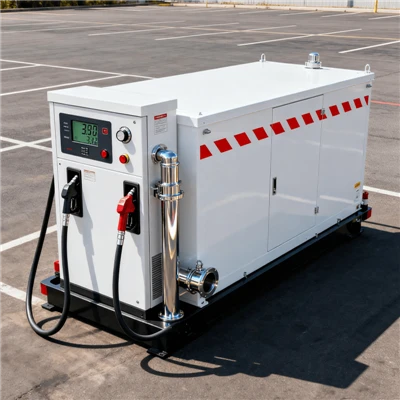
As a supplier of self – contained fuel stations, I often get asked about the installation process. Installing a self – contained fuel station is a complex but achievable task that requires careful planning, compliance with regulations, and the right equipment. Here, I’ll walk you through the entire process based on my years of experience in this industry. Self-contained Fuel Station
Planning and Site Selection
The first step in installing a self – contained fuel station is choosing the right location. It’s essential to select a site that is accessible to vehicles and has enough space to accommodate the fuel station, storage, and associated equipment. You need to consider factors such as traffic flow, local zoning laws, and potential environmental impact.
Before finalizing the site, you should conduct a thorough soil and environmental assessment. This will help you determine if the ground is suitable for the foundation of the fuel storage tanks and if there are any potential contamination risks. The assessment can also provide valuable information about groundwater levels, which is crucial for ensuring the safety of the fuel storage.
During the planning phase, you’ll also need to obtain all the necessary permits and approvals from local authorities. These may include building permits, environmental clearances, and fire safety approvals. Each region has its own set of regulations, so it’s important to work closely with local officials to ensure full compliance.
Equipment Selection
As a self – contained fuel station supplier, I understand that choosing the right equipment is vital for the success of your fuel station. The main components of a self – contained fuel station include fuel storage tanks, dispensers, pumps, and control systems.
Fuel storage tanks come in various sizes and materials. Steel tanks are a popular choice due to their durability, but you may also consider fiberglass or polyethylene tanks depending on your specific requirements. The size of the tanks will depend on your expected fuel demand and available space.
Dispensers are another critical component. They need to be reliable, accurate, and easy to use. Modern dispensers often come with advanced features such as digital displays, multiple fuel grade selection, and payment options. You should choose dispensers that are compatible with your fuel storage system and meet industry standards.
Pumps are responsible for transferring fuel from the storage tanks to the dispensers. They need to have sufficient capacity to meet the demand during peak hours. Additionally, the control systems play a crucial role in monitoring and managing the fuel flow, ensuring safety, and preventing leaks.
Installation Process
Once you have completed the planning and equipment selection, it’s time to start the installation process. The first step is to prepare the site. This involves clearing the area, leveling the ground, and constructing the foundation for the fuel storage tanks. The foundation needs to be strong enough to support the weight of the tanks and prevent any settlement or movement over time.
After the foundation is ready, the fuel storage tanks can be installed. This process requires careful handling to ensure that the tanks are placed correctly and securely. The tanks need to be connected to the piping system, which will transport the fuel to the dispensers. The piping should be made of high – quality materials and installed according to strict safety standards to prevent leaks.
Next, the dispensers and pumps are installed. They need to be connected to the fuel piping system and the electrical supply. The control systems are also integrated at this stage, allowing for seamless operation and monitoring of the fuel station.
Testing and Commissioning
After the installation is complete, rigorous testing and commissioning procedures are carried out. These tests are designed to ensure that all components of the self – contained fuel station are working properly and safely.
The fuel storage tanks are tested for leaks using advanced methods such as pressure testing and ultrasonic inspection. The dispensers are calibrated to ensure accurate fuel measurement. The pumps are tested for proper flow rate and performance. The control systems are also thoroughly tested to confirm that they can monitor and manage the fuel station effectively.
Once all the tests are passed, the self – contained fuel station is ready for commissioning. This involves the final checks and approvals before the fuel station can be opened for commercial use.
Maintenance and Safety
Running a self – contained fuel station requires ongoing maintenance to ensure its safe and efficient operation. Regular inspections of the fuel storage tanks, dispensers, pumps, and control systems are necessary to detect and address any potential issues.
Safety should always be the top priority. This includes implementing proper fire prevention measures, having emergency response plans in place, and ensuring that all employees are trained in safety procedures. Regular safety audits can help identify and correct any safety hazards.
Why Choose Our Self – Contained Fuel Stations
As a leading self – contained fuel station supplier, we have a wealth of experience in providing high – quality fuel stations. Our products are designed to meet the highest industry standards and are backed by a team of experts who can provide comprehensive support throughout the installation process.
We offer a wide range of self – contained fuel stations to suit different needs and budgets. Whether you’re looking for a small – scale fuel station for a private fleet or a large – scale commercial fuel station, we have the right solution for you.
Our commitment to quality, safety, and customer satisfaction sets us apart from other suppliers. We understand that every customer is unique, and we work closely with you to ensure that your fuel station meets your specific requirements.
Contact Us for Purchase and Consultation

If you’re interested in installing a self – contained fuel station or learning more about our products, we’d love to hear from you. Our team of experts is ready to answer your questions, provide detailed information, and guide you through the entire process from planning to commissioning.
Mobile Fuel Station Don’t hesitate to reach out to us for a consultation. We’re looking forward to working with you to create a reliable and efficient self – contained fuel station that meets your business needs.
References
- ASTM International standards related to fuel storage and dispensing equipment.
- Local building and environmental codes and regulations.
- Industry best practices for self – contained fuel station installation as published by professional organizations in the petroleum industry.
Shandong Jingcai Industry and Trade Co., Ltd.
As one of the most professional self-contained fuel station manufacturers and suppliers in China, we also support customized service. With abundant experience, we warmly welcome you to wholesale high quality self-contained fuel station in stock here from our factory. Contact us for free sample.
Address: Caojiazhuang Village Industrial Park, Lingcheng Town, Qufu City, Jining City, Shandong Province.
E-mail: shandongjingcai888@gmail.com
WebSite: https://www.sdjingcaicn.com/
