Hey there! I’m a supplier of LED interior bulbs, and I often get asked about how our bulbs perform in high – humidity environments. It’s a crucial question, especially for those planning to use LED bulbs in areas like bathrooms, kitchens, or basements, where humidity levels can be pretty high. So, let’s dive right in and chat about this topic. LED Interior Bulbs
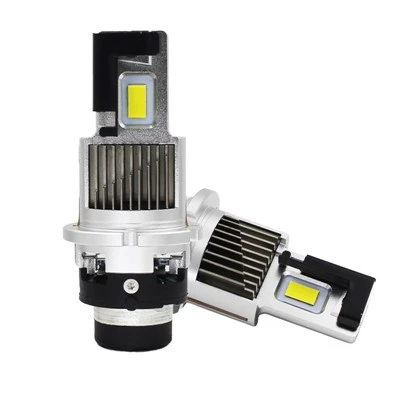
Understanding High – Humidity Environments
First off, what exactly is a high – humidity environment? Well, humidity is all about the amount of water vapor in the air. When the humidity is high, there’s a lot of moisture floating around. In places like bathrooms, the steam from hot showers can quickly raise the humidity. Kitchens also see high humidity when you’re boiling water or cooking with a lot of steam. And basements, being underground, tend to be naturally humid because of the moisture seeping through the walls and floors.
The Impact of High Humidity on LED Bulbs
Condensation
One of the biggest challenges in high – humidity environments is condensation. When warm, moist air comes into contact with a cooler surface, like an LED bulb, the water vapor turns into liquid water. This condensate on the bulb can cause a few issues.
For instance, it can affect the light output. The water droplets on the bulb can scatter the light, making it look less bright or causing uneven illumination in the room. It’s like having a fog over your light source. Over time, if the condensation keeps happening, it can also damage the electrical components inside the bulb. The moisture can seep into the circuitry, leading to short – circuits or corrosion.
Corrosion
Corrosion is another major concern. LED bulbs have metal parts, such as the pins that connect them to the socket and the internal wiring. When these metal components are exposed to high humidity for long periods, they can start to corrode. Corrosion weakens the metal, which can disrupt the electrical connection and eventually lead to the bulb failing prematurely.
Lifespan Reduction
The combination of condensation and corrosion can significantly reduce the lifespan of an LED bulb. Regular LED bulbs that are designed for normal environments might not last as long in high – humidity areas. This means you’ll have to replace the bulbs more frequently, which can be a hassle and cost you more money in the long run.
How Our LED Interior Bulbs Perform
Moisture – Resistant Design
We’ve put a lot of effort into designing our LED interior bulbs to handle high – humidity environments. Our bulbs are built with a moisture – resistant coating on the outer shell. This coating acts as a barrier, preventing water droplets from sticking to the bulb and reducing the chances of condensation. It’s like giving the bulb a waterproof jacket!
Sealed Construction
Another key feature is the sealed construction of our bulbs. We’ve sealed all the openings and joints in the bulb to keep moisture out. This means that even if there’s a lot of humidity in the air, the internal components of the bulb are protected. The sealed design also helps to prevent corrosion by keeping the metal parts away from the moist air.
High – Quality Materials
We use high – quality materials in the manufacturing of our bulbs. The metal parts are made from corrosion – resistant alloys, which can withstand the effects of high humidity. And the internal circuitry is designed to be more robust, so it can handle any minor moisture exposure without getting damaged.
Real – World Performance
We’ve had a lot of customers using our LED interior bulbs in high – humidity areas, and the feedback has been great. In one case, a customer installed our bulbs in their bathroom. They were worried about the steam from their daily showers affecting the bulbs. But after using the bulbs for several months, they reported that the light output was still as bright as ever, and there were no signs of condensation or corrosion.
Another customer used our bulbs in their basement. Basements are notoriously humid, but our bulbs held up well. They didn’t have to replace the bulbs as often as they did with their previous non – moisture – resistant bulbs.
Tips for Using LED Bulbs in High – Humidity Environments
Ventilation
Even though our bulbs are designed to handle high humidity, it’s still a good idea to improve ventilation in the area. Use exhaust fans in bathrooms and kitchens to remove the moist air. In basements, you can install a dehumidifier to reduce the humidity level. This will not only help the bulbs last longer but also make the environment more comfortable.
Regular Cleaning
Regularly clean the bulbs to remove any dust or dirt that might accumulate. This can prevent the dust from attracting moisture and potentially causing problems. You can use a soft, dry cloth to gently wipe the bulbs.
Check Connections
Periodically check the connections between the bulb and the socket. Make sure they are secure and free from any signs of corrosion. Loose or corroded connections can affect the performance of the bulb.
Why Choose Our LED Interior Bulbs
If you’re looking for LED bulbs that can perform well in high – humidity environments, our products are a great choice. Here are some reasons:
- Reliability: Our bulbs are designed and tested to ensure they can withstand high humidity. You can trust that they’ll provide consistent light output over time.
- Cost – effectiveness: Since our bulbs have a longer lifespan in high – humidity areas, you’ll save money on replacements.
- Eco – friendly: LED bulbs are already energy – efficient, and our bulbs are no exception. Using them in high – humidity areas helps you save energy and reduce your carbon footprint.
Get in Touch
If you’re interested in purchasing our LED interior bulbs for your high – humidity spaces, don’t hesitate to reach out. We’d love to have a chat with you, answer any questions you might have, and help you find the right bulbs for your needs. Whether you’re a homeowner looking to upgrade your bathroom lighting or a business owner in need of bulbs for a commercial kitchen, we’ve got you covered.
References
-
"Handbook of Lighting Technology", edited by John M. Bentley. This book provides in – depth knowledge about the performance of different lighting sources in various environments.
-

"Principles of Heating, Ventilation, and Air Conditioning", written by William Coad. It offers insights into humidity control and its impact on household appliances.
-
LED Exterior Light Bulbs "Lighting Design Basics" by Boyce, Peter R., which gives a comprehensive overview of LED lighting technology and its durability factors.
Shine Bright Optoelectronic Co., Ltd.
As one of the most professional led interior bulbs manufacturers in China, we also accept customized orders. Please feel free to buy bulk advanced led interior bulbs in stock here from our factory. Welcome to contact us for quotation.
Address: 6th Floor, Buildings B & C, Baotang Industrial Zone, No. 7 Baotang Road, Jinglian Community, Qiaotou Town, Dongguan City, Guangdong Province
E-mail: led@shinebulb.com
WebSite: https://www.shinebulb.com/
