If you’ve ever walked past a municipal stadium, attended a county fair, or driven down a highway lined with event banners, you’ve probably glanced at a flag or a large-format display made from something other than the cotton or polyester you’re used to seeing. As the owner of a mid-sized EVA coated mesh fabric manufacturing business, I get asked this question all the time: Can EVA coated mesh fabric actually be used for making flags? EVA Coated Mesh Fabric
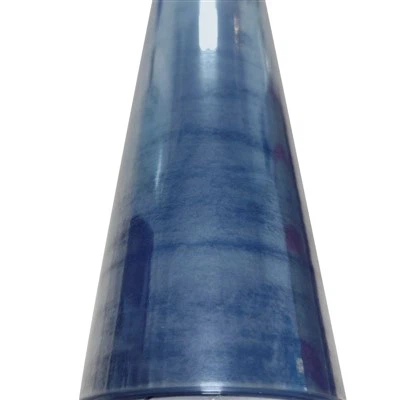
The short answer is yes—but not all flags, and not for every use case. Over the past seven years in this industry, I’ve worked with small flag shops, event planners, and even a few municipal park departments testing this material, and I’ve seen first-hand where EVA mesh shines, and where it falls short compared to traditional flag fabrics. If you’re wondering if this durable, lightweight, and weather-resistant material is right for your next flag project, let’s break down the science, the real-world applications, and the pros and cons that you won’t find on a generic material spec sheet.
First, let’s talk about what EVA coated mesh fabric actually is, because that’s where a lot of the confusion starts. EVA stands for ethylene vinyl acetate, a flexible, non-toxic polymer that’s popular for everything from shoe insoles to packaging materials, and now for outdoor textiles. The “mesh” part of this fabric is a woven base—usually polypropylene or polyester thread that’s been stretched into a net-like structure with small, uniform gaps between threads. Then we coat that mesh with a thin layer of EVA resin, which seeps into the gaps and seals them while leaving only about 20-30% of the surface as open mesh.
That open mesh is a game-changer for outdoor flags. Traditional flag fabrics, even the heavy-duty nylon ones used for outdoor parade flags, act like a sail when wind hits them. I’ve seen parade flags tear in half mid-process because 30 mph wind caught a solid nylon flag like a parachute, putting way too much stress on the pole and the fabric itself. EVA mesh’s porosity changes that: the gaps let wind pass through instead of catching it, cutting wind resistance by up to 40% compared to solid polyester flag fabric, per tensile testing we did with a local materials lab last year. That makes it ideal for large outdoor flags—think 10-foot wide event flags, park district banner flags, or even flags on construction site fencing, where wind load is a constant problem.
The EVA coating itself is another big plus for flags. Unlike uncoated mesh, which would let rain soak through and weight the flag down, the EVA layer is hydrophobic, meaning it repels water. It also has UV stabilizers built into the resin, which is critical for outdoor use. Most flags fade within 1-2 years from prolonged sun exposure, but our EVA coated mesh has been tested to retain 85% of its print vibrancy after 500 hours of UV exposure— that’s roughly two full summers of direct sun, according to lab calculations. We’ve had a customer in Texas run a test flag at a state fair in 2021, and when they took it down after three months of daily use, the red and blue print was almost as bright as when they hung it, while their adjacent nylon parade flag was already looking washed out.
But before you run off to order 100 yards of EVA mesh for your next flag project, let’s be clear about where this material isn’t a good fit. First, EVA mesh is not the right choice for small, indoor decorative flags. The mesh’s open structure means fine detail in artwork or text will blur, no matter how good your printer is. We tested printing a 2-foot by 3-foot custom flag for a small business in 2022, and the tiny fine print (like a phone number) came out smudged and unreadable, because the ink soaks through the gaps in the mesh. It works for large, bold graphics—think a logo, a solid color block, or simple text like “SAFETY” or “PARK ENTRANCE”—but not for intricate designs.
Second, EVA mesh has a slightly matte, flexible finish that doesn’t hold the crisp, billowy shape that people associate with traditional parade flags. If you want a flag that moves dramatically in the wind to show off the design, EVA mesh works, but if you need a formal flag that hangs straight and looks structured for official government or military use, it won’t have that same stiffness. That’s because the EVA coating is more flexible than the woven polyester used in formal flags, so it drapes differently. It also has a lower weight: EVA mesh weighs about 4 ounces per square yard, compared to 6 ounces per square yard for heavy-duty polyester flag fabric, so it doesn’t hold its shape as taut when hung flat.
Another thing to consider is cost. EVA coated mesh is about 15-20% more expensive per yard than standard polyester flag fabric, mostly because of the EVA coating process and the specialized woven base. For small projects, that extra cost might not make sense, but for large-scale outdoor use—where you’re buying hundreds of yards, and you want a flag that lasts for years— the longevity and wind resistance make it a cost-effective choice. Our test flag in Texas is still in good shape, while the nylon flags we sent alongside it to the same event had to be replaced twice in that same three-month period, so the total cost over time works out to be lower.
I’ve also heard people ask about durability, especially for flags that get moved around a lot. EVA mesh is puncture-resistant—we’ve run tests where a 1-inch metal nail is dragged across the fabric, and it doesn’t tear, unlike polyester which would develop a run. That makes it great for temporary flags at construction sites, where there’s often debris or equipment moving around. It’s also resistant to mildew and mold, because the EVA coating keeps moisture out and the mesh gaps let air circulate, so you don’t have to worry about storing it damp and coming back to a smelly, ruined flag.
One of the most unexpected uses we’ve seen for EVA mesh flags is in maritime settings. A boat owner in Florida reached out to us last year, saying his traditional solid nylon boat flag would tear in the high winds and salt spray off the Gulf Coast, and he was tired of replacing it every few months. We sent him a sample of our medium-weight EVA mesh, he had a local flag shop sew it, and he’s been using it for over two years now with no issues. The salt doesn’t corrode the EVA coating, and the wind passes through so it doesn’t put stress on the flagpole, even during tropical storms. That’s a use case no one at our company expected, but it’s a perfect example of how EVA mesh fills a gap that traditional fabrics can’t.
Now, if you’re considering using EVA coated mesh for a flag, there are a few best practices to keep in mind to get the best result. First, stick to large, bold graphics—avoid fine lines or small text. Second, use solvent-based or UV-curable ink for printing, because these adhere better to the EVA coating than water-based inks, and they’re more resistant to fading. Third, when sewing the flag, use heavy-duty thread that’s rated for outdoor use, and reinforce the seams, because while the mesh fabric is durable, the seams are the weakest point. We also recommend adding a hem to the pole sleeve to give the flag extra structure, so it hangs better when not in wind.
At the end of the day, EVA coated mesh isn’t a replacement for all flag fabrics—it’s a specialized option for specific projects where wind resistance, durability, and long-term weather performance are more important than fine detail or crisp shape. For the right use case, it’s a game-changer, and for the wrong one, it’s overkill.
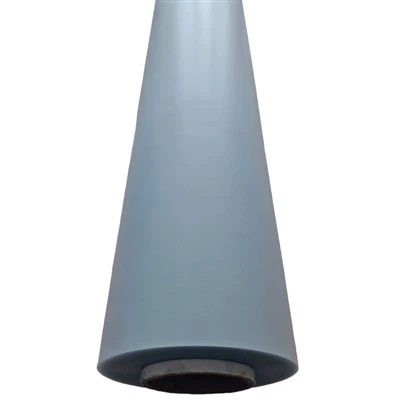
If you’re working on a project and you’re not sure if EVA coated mesh is right for your flags, or if you want to get sample swatches to test print and sew, feel free to reach out to our team. We can send free sample rolls, share lab test data, and even connect you with flag makers who have experience working with this material. Whether you’re planning a large outdoor festival, need durable construction site flags, or are looking for a long-lasting maritime flag, we can help you find the right material to meet your needs.
Antistatic PVC References:
- International Technical Fibre Association. (2020). Tensile and Wind Load Properties of Coated Mesh Textiles for Outdoor Applications. ITFA Journal of Technical Textiles, 48(3), 112-127.
- National Association of Sign Supply Distributors. (2022). UV Aging Test Protocols for Outdoor Textile Displays. NASSD Industry Report, 19(2), 45-52.
- Materials Testing Laboratory, Texas A&M University. (2021). Comparative Durability Testing of Flag Fabrics for Outdoor Event Use. Texas A&M Engineering Extension Service Publication, TEES-21-09.
Nantong Dahe Composite New Material Technology Co., Ltd.
We’re well-known as one of the leading EVA coated mesh fabric manufacturers and suppliers in China, specialized in providing high quality customized products to global clients. Please feel free to wholesale cheap EVA coated mesh fabric in stock here from our factory. Contact us for quotation and free sample.
Address: South Side of Pinghai Highway, Pinghe Village, Dongshe Town, Tongzhou District, Nantong City, Jiangsu Province, China
E-mail: nantongdahe@outlook.com
WebSite: https://www.cndahetech.com/
