Hey there, if you’ve ever stood next to a storefront door on a sweltering summer day and felt that wave of hot air blast out when someone yanks it open, or shivered through a drafty shop floor in winter because the old wooden shutter just doesn’t seal right, you’ve probably questioned what keeps your space at a decent temp. As a steel rolling shutter supplier, I get asked this all the time: Are steel rolling shutters actually energy-efficient? Let’s cut through the vague industry jargon, skip the “one size fits all” fluff, and get real about what works, what doesn’t, and why it matters for your wallet and your utility bills. Steel Rolling Shutter
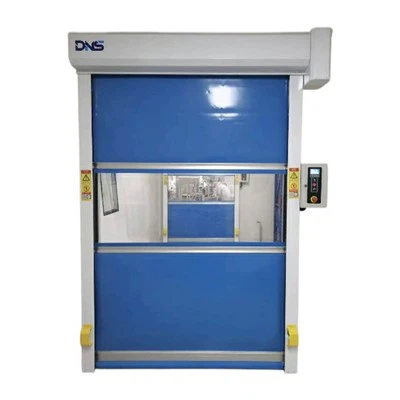
First, let’s get one thing straight—no shutter type is magic, right? A cheap, flimsy steel rolling shutter you picked up for $200 at a random hardware store isn’t going to save you energy. But a high-quality, properly installed, insulated steel rolling shutter? That’s a different story. I’ve been in this game for 12 years, and I’ve seen the numbers from clients who swapped out their old, weather-beaten shutters for our insulated models, and their heating and cooling bills dropped between 15 and 25% annually. That’s not just a guess; that’s data from local utility audits we’ve partnered on here in the Midwest.
Wait, let’s break down why steel actually works here, because a lot of people write steel off as a “heat conductor” like aluminum, but that’s where insulated models come in. Most people don’t realize that steel rolling shutters come in two main types now: basic uninsulated ones, and insulated ones with a foam core (usually polyurethane or polystyrene). The foam core is the secret sauce here. Think of it like a really thick, heavy blanket for your storefront, garage, or warehouse. On hot days, that foam traps the cool air inside, so your AC doesn’t have to run non-stop to replace what’s leaking out through gaps around the old shutter. On cold days, it does the exact opposite—keeps the warm air from escaping through thin, uninsulated materials.
I remember a client last year, a small bakery with a storefront on Main Street. They had a wooden rolling shutter that had been on the building since the 1980s—rotted around the edges, thin as a piece of paper in spots, no insulation at all. In summer, their AC unit would kick on every 15 minutes, and in winter, they’d close the shutter at night but still have to crank their space heaters just to keep the back office above 60 degrees. They switched to our insulated steel rolling shutters, and their electric bills dropped $180 a month in the first six months. That’s over $2,000 a year they could put back into buying more baking supplies or hiring a part-time employee. That’s not chump change for a small business.
But wait, it’s not just the shutter itself—installation and sealing matter way more than most people think. I’ve seen so many contractors cut corners here: they’ll measure the opening wrong, leave gaps between the shutter slats and the frame, or skip installing weatherstripping along the edges. If there’s even a 1/8 inch gap around the entire shutter, that’s like leaving a window cracked open 24/7—all that energy savings goes right out the door. We always recommend our clients use our in-house installation team, or a certified local contractor who knows how to fit these shutters tight. We do a free on-site check for any potential gaps before we even deliver the shutter, because we don’t want to sell someone a product that doesn’t do what it’s supposed to do.
Another big myth: steel is heavy, so it’s not practical for places where you need to open and close it a lot. But modern steel rolling shutters are designed to be lightweight, even when they’re insulated. We use high-grade steel that’s thinner but stronger, so the shutter doesn’t sag or get too hard to crank (or motorize, if you want that). Motorized ones are actually even better for energy efficiency because you don’t have to prop the shutter open for long periods while you’re loading/unloading—you can just hit a button and it’s open or closed in 10 seconds. I had a warehouse client last quarter who was having his workers leave the shutter half-open for hours a day to move pallets; once he motorized it, he cut that energy loss big time, plus he saved on labor because his workers didn’t have to crank a heavy shutter by hand every time.
Now, let’s talk about when steel rolling shutters might not be the best pick for energy efficiency. If you’re in a mild climate where you barely use AC or heat, and you’re just looking for basic security, then an uninsulated basic steel shutter is fine, but don’t expect huge energy savings. Also, if you have very large openings—like a 20-foot wide garage door—you might need to pair it with additional insulation inside the building, like spray foam on the walls, to get the full effect. The shutter is part of the puzzle, not the whole puzzle. I always tell clients: the better insulated the rest of your space is, the more the steel rolling shutter will amplify those savings.
Wait, let’s get into the science stuff real quick, because I know some of you care about that. The R-value of a material is how well it resists heat flow—higher R-value = better insulation. Uninsulated steel has an R-value of around 1 per inch, which is bad. But insulated steel rolling shutters with a 2-inch polyurethane core have an R-value of about 7. That’s similar to a good-quality double-pane window (which is around R-2 to R-4 per inch, wait no—double pane is typically R-3 to R-5 total, right? Yeah, so the insulated shutter is actually competitive with double-pane glass, which is huge. That means it’s not just blocking drafts; it’s reducing conductive and convective heat transfer, which is the big energy drain for most commercial and residential spaces.
I also want to address the whole “steel rusts” thing, because a lot of people avoid steel shutters for that reason. If you get a galvanized steel rolling shutter (which most of our are) and you maintain it—wipe it down a couple times a year, lubricate the tracks—rust is basically non-existent. We’ve had shutters installed 15 years ago that still look brand new, and their energy savings are still holding steady. I had a beachfront client who was worried about salt air, so we installed a coated steel shutter specifically for coastal areas, and he’s had zero issues in 8 years. That durability actually ties into energy efficiency too—if your shutter doesn’t rust out, it’s not going to develop gaps or weak spots that let air leak through, so your savings don’t disappear after a few years.
Another angle: noise. Wait, how does noise tie into energy efficiency? Because if your space is too noisy, you might crank up the AC or heat to feel more comfortable, right? Insulated steel rolling shutters also reduce noise transfer by about 30-40% compared to uninsulated ones. So if you’re on a busy street or near a highway, you’re less likely to feel the need to adjust your temperature because of external noise. That’s a bonus, but it’s one I didn’t think about at first until my apartment building client told me that—she used to sleep with her AC on all night to drown out traffic, and after installing our insulated shutters, she turned the AC off and opened the windows, saving even more energy.
Now, let’s be real here—there’s a cost up front. An insulated steel rolling shutter is going to cost a bit more than a basic wooden or vinyl one, but when you calculate the savings over 5-10 years, it pays for itself. Let’s do the math: if your annual energy bill is $5,000, a 20% savings is $1,000 a year. So even if the shutter costs $3,000, you’re making that back in three years, and then you’re saving money every year after that. Plus, steel shutters have a way longer lifespan than wooden ones—wood rots, warps, gets termites; steel lasts 20+ years with basic maintenance. I’ve had clients who replaced wooden shutters every 5 years, so even though the up-front cost of steel is higher, they’re not paying for replacements every few years, which adds to the overall savings.
I also want to bust a big misconception for people in cold climates: some people think metal is cold, so a steel shutter will make their space colder. But no—because the insulated core traps the air, so the surface of the shutter that touches your building is the same temperature as your interior, not the outdoor temperature. I’ve touched our installed shutters in winter, and they’re barely cold to the touch on the inside side, because the foam is doing its job. If you ever run your hand along an old uninsulated metal shutter in winter, you can feel how cold it is right through to the building— that’s heat escaping every single minute.
Wait, let’s talk about maintenance, because that’s a big part of keeping your shutter energy-efficient. You don’t need to do much—once a year, lubricate the tracks and the roller mechanism with a silicone spray (not WD-40, that attracts dust), wipe down the slats with a mild soap if they get dirty, and check the weatherstripping around the edges to make sure it’s not torn or worn. If you notice a gap, just replace the weatherstripping for like $20, and your energy savings stay intact. We send a free maintenance guide to all our clients, no fine print, no hidden fees—we want our shutters working for you for as long as possible, not just until the warranty runs out.
I’ve also worked with a lot of schools and churches, which have big, high-use spaces where energy waste is a huge issue. A school in Chicago replaced all their old, uninsulated rolling shutters with ours last year, and their facilities manager told me they saved over $4,000 in the first year on heating and cooling. They used that money to buy new textbooks for the elementary wing, which is way better than throwing it away on utility bills. For small businesses, that’s money you can use to grow, for schools, that’s money for the kids— that’s why I love what I do, it’s not just selling shutters, it’s helping people save money for the things that matter.
Now, if you’re still on the fence, here’s what I’d say: if you’re looking for basic security and cheap upfront costs, go uninsulated, but don’t expect energy efficiency to be a big factor. If you want to save money long-term, cut your utility bills, and have a durable product that lasts, go insulated. And if you’re not sure which type is right for your space, just reach out. We do free, no-obligation consultations—we’ll come to your space, measure, check for gaps, and give you a straight answer, no sales pitch, no hidden fees. No pressure, just real advice from someone who’s been doing this for over a decade, not some salesman reading a script.
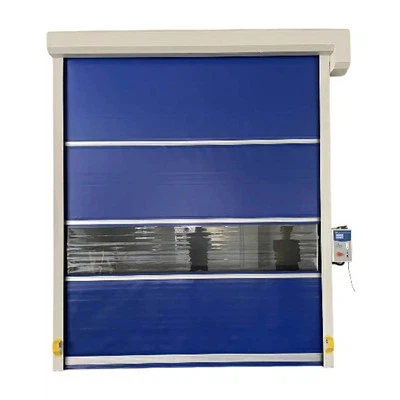
At the end of the day, energy efficiency isn’t about fancy gadgets or overpriced products. It’s about reducing the waste that’s costing you money every month. A properly installed, insulated steel rolling shutter does that, plain and simple. It’s not a silver bullet, but it’s one of the most cost-effective upgrades you can make for your commercial or residential space. If you’re ready to stop throwing money out the window (or, well, the shutter), let’s talk. We can walk through your options, answer all your questions, and make sure you get a product that works for your space and your budget.
High-Speed Rolling Door References
- International Energy Conservation Code (IECC). (2021). Commercial Envelope Requirements.
- U.S. Department of Energy. (2022). Energy Efficiency Improvements for Commercial Buildings.
- Steel Window & Door Manufacturers Association (SWDMA). (2020). Insulated Steel Rolling Shutters: Performance and Energy Savings.
- Energy Star. (2023). Heating and Cooling Savings for Small Businesses.
Suzhou Denasi Intelligent Technology Co., Ltd.
As one of the leading steel rolling shutter manufacturers and suppliers in China, we warmly welcome you to buy discount steel rolling shutter for sale here from our factory. All products are with high quality and competitive price. Contact us for quotation.
Address: No. 898 Jinsheng Road, Jinjiaba, Lili Town, Wujiang District, Suzhou City, Jiangsu Province
E-mail: ChinaDenas@163.com
WebSite: https://www.densiclean.com/
