Hey everyone, if you’ve got an old gasoline water pump that’s been humming along for years but lately feels like it’s dragging its feet—maybe it’s not moving enough water, it’s guzzling more fuel than it used to, or it’s shutting down out of nowhere for no clear reason—you’re not alone. As a gasoline water pump supplier, I talk to guys like you (farmers, small construction crew owners, RV enthusiasts, folks with remote water lines) every single week who deal with these exact headaches. Old pumps don’t have to be a write-off, though. You can upgrade their performance without dropping a ton of cash on a whole new unit. Let’s break this down step by step, no fancy engineering jargon, just stuff that actually works. Gasoline Water Pump
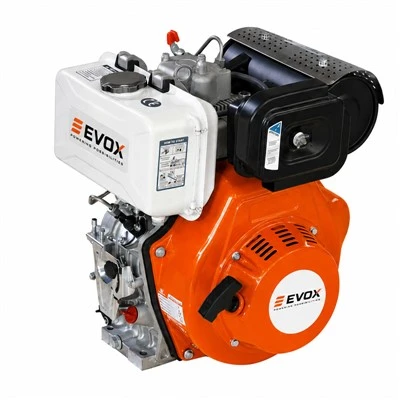
First, let’s be real: most old pumps get bogged down not because they’re too old, but because stuff’s built up over time, and parts that were good 5 years ago are now just checked out. The first thing I always tell people to do is a full deep clean. I see so many folks skip this and jump into replacing parts unnecessarily—big mistake. Let’s start with the carburetor, because that’s the heart of any small gas engine powering these pumps. If it’s clogged with old gasoline varnish (you know, that thick, sticky goop that forms when gas sits for months) or dirt from sitting in a dusty shed, it can’t mix fuel and air right. I’ve had customers bring in pumps that were barely moving because their carb was so clogged, just a 15-minute soak in carb cleaner and a gentle brush with a toothbrush fixed 70% of their issues. Pro tip: don’t use cheap generic carb cleaner. Get one that’s made for small engines—strong enough to cut varnish without ruining the tiny brass jets. And while you’re at it, drain the old gas from the tank entirely. Stale gas doesn’t burn well, so even if your tank is half full, dump it and add fresh, ethanol-free gas if you can. Ethanol is super corrosive for old rubber and plastic parts in fuel systems, and it breaks down fast, leaving that same sticky varnish.
Next up, the impeller. That’s the part inside the pump housing that spins and pushes water, right? Over time, it can get corroded from hard water minerals, nicked by small debris, or just worn down from years of spinning. If your pump used to blast water 20 feet up the hose and now it only makes it 10, check the impeller. I’ve seen old plastic impellers get so worn they look like they’ve been chewed on by a dog. Replacing an impeller is way cheaper than a whole new pump, and it makes a massive difference. Wait, not all impellers are the same—get one made from high-grade nitrile rubber or reinforced composite, not the cheap plastic ones that break after a few months. As your supplier, we keep these in stock all the time because they’re one of the most requested parts for old pump upgrades. Also, while you’ve got the pump housing open, scrape out all that mineral buildup and gunk inside. That buildup creates friction, so if you get rid of it, the impeller can spin way smoother.
Then there’s the spark plug. I swear, people forget about spark plugs like they’re not important. An old, fouled spark plug (covered in carbon or oil) doesn’t fire hot enough, so the engine doesn’t make full power, which means the pump doesn’t push as much water. If your pump is sputtering or taking forever to start, swap the spark plug out—most of these use standard small-engine plugs, so you don’t need anything special. Get a new one with the correct heat range, too. If you’re running the pump in hot weather, a hotter plug keeps the tip clean; cold weather needs a colder one. Most folks don’t realize that mismatched heat range is a hidden performance killer. I’ve had a customer who was convinced his pump was broken, just because he had a spark plug that was too hot, it was burning too much fuel and making the engine bog. Swapping the plug fixed it right up.
Now, let’s talk about air and fuel flow. If air can’t get into the engine or exhaust can’t get out, you’re losing power fast. The air filter—if it’s a foam or paper filter—clogs with dust and dirt over time, so less air gets mixed with fuel. A clogged air filter makes the engine run rich, guzzle gas, and not push as much water. Most people just tap it against a wall to clean it, but that barely works. For paper filters, replace it every year or every 100 hours of use. For foam ones, you can soak it in a little oil and let it dry, that catches more dirt than just blowing it out. The exhaust is another one—if your pump has a muffler with a screen or a baffle that’s clogged with carbon, exhaust can’t escape, so the engine has to work harder. Pop the muffler off, clean out that carbon (be careful, it gets really hot if you just took the pump for a run), or replace it if it’s too far gone. A clean exhaust frees up so much power, you’ll notice a difference instantly.
Wait, there’s one upgrade a lot of people sleep on: the fuel line. Old rubber fuel lines get brittle and cracked over time, and they can start leaking air. If air gets into the fuel line, the engine doesn’t get a consistent flow of gas, so it sputters and loses power. Even if there’s no visible leak, if your lines are more than 5 years old, just swap them for new ones. Get the right size for your pump—too big or too small, and you’ll lose flow. I always recommend braided rubber lines for these applications, they’re more durable than plain old rubber and don’t crack as fast.
Now, what if you’ve done all that and still need a little more oomph? Maybe you can upgrade the ignition coil. The stock coil on old pumps is fine for basic runs, but a high-performance ignition coil gives a hotter spark, which means better fuel burn, more power, and easier starts, especially in cold weather. It’s not a huge cost, and it’s a straightforward swap—just disconnect the old one, bolt the new one on, plug the wires in. I’ve had RV owners tell me this was a game-changer for their well pumps, especially when they were drawing water from a lower level.
Another thing: check the engine mounting. If the engine is tilted weird, or the mounting bolts are loose, that can put extra stress on the crankshaft and make the pump run less efficiently. Tighten all the mounting bolts evenly, and make sure the engine is level. If it’s sitting at an angle longer-term, that can even cause oil to pool in weird places, leading to engine wear down the line. A quick check of the mounting can save you from bigger issues later.
Wait, let’s address something common: people think upgrading means swapping for parts that cost an arm and a leg, but most of these steps are under $100 total. I had a farmer last month who brought in a 10-year-old pump that was barely moving water, said he was ready to buy a new $800 unit. I talked him through cleaning the carb, swapping the impeller, and a new spark plug. Total cost to him was like $45, and he texted me a week later saying his pump was pushing 30% more water than it had in years. That’s the stuff that makes my job worth it.
Of course, there are a few things to watch out for. Don’t use car parts for these pumps—small engine parts are built to handle the consistent high RPM these pumps run at, car parts just won’t hold up. And if you’re not comfortable taking apart the carb or the pump housing, don’t force it. A quick YouTube tutorial is usually enough, but if you mess up a small part, you’ll end up paying more than if you just took it to a small engine mechanic. Also, always make sure the pump is off and cool before you start working on it—gas is flammable, and those pump parts get hot enough to burn you bad.
Now, if you’ve tried all these upgrades and your old pump still isn’t performing like it should, or you just want to squeeze every last bit of efficiency out of it, we’ve got you covered. As a gasoline water pump supplier, we stock all the replacement parts, high-performance upgrades, and even full replacement units if you need them. Whether you just need a new impeller or a full tune-up kit, we’ve got what you need, and we can hook you up with the right parts for your exact pump model. No generic stuff here—we know these pumps inside and out, because we sell them and their parts every single day.

If you’re ready to get your old pump working like new, or you need help figuring out exactly what part you need, hit us up to talk through your needs. We can answer any questions, help you pick the right upgrades, and make sure your pump is running smooth for whatever job you’ve got. Don’t let an old pump hold you back—you don’t need to buy new, you just need the right tweaks.
Engine References:
- Small Engine Repair Manual, Briggs & Stratton Corporation, 2021
- "Optimizing Small Gas Engine Performance for Water Pumps", Journal of Agricultural Equipment Technology, 2022
- Water Pump Impeller Selection Guide, American Water Works Association, 2020
- Ethanol Fuel Effects on Small Engine Components, Outdoor Power Equipment Institute, 2021
Evoxpower Technology
Evoxpower Technology is one of the most professional gasoline water pump manufacturers and suppliers in China, featured by quality products and good service. Please rest assured to buy the newest gasoline water pump in stock here and get pricelist from our factory. Contact us for customized service and OEM service.
Address: 11 Fortune Avenue, Yubei District, Chongqing, China
E-mail: stephen@allrightpower.com
WebSite: https://www.evoxpower.com/
