Hey there, it’s Mia, and I’m one of the folks behind the honeycomb paper sleeve line our team has been perfecting for the last five years. I get asked this question at least twice a week—most often by small business owners scouring for cost-effective, eco-friendly packaging, or warehouse managers tired of untangling flimsy bubble wrap that gets stuck in every corner of a packing station. Today, I’m breaking down exactly how easy (or not) assembling honeycomb paper sleeves actually is, straight from the perspective of someone who tests every new batch myself before it hits our clients’ docks. I won’t sugarcoat it, but I also won’t overcomplicate it—this is the real deal, no marketing fluff. Honeycomb Paper Sleeve
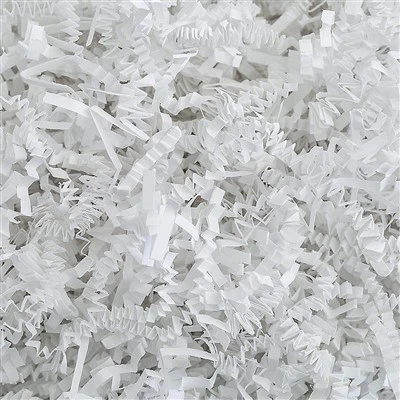
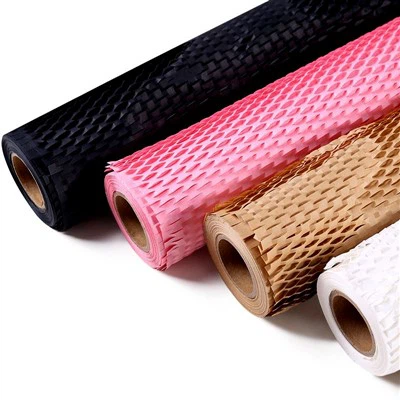
First, let’s cut through the confusion about what honeycomb paper sleeves even are, because a lot of people mix them up with other paper packaging products. Unlike flat honeycomb paper rolls that you have to cut, expand, and shape manually, our sleeves come pre-sized as a folded, flat pad that’s built specifically to slide over irregular or round items—think ceramic mugs, small electronics, wine bottles, even hand tools. The honeycomb core is the super strong, lightweight structure that makes it better than plain paper or tissue, but that same core is what makes people nervous about assembly: they assume it’s going to be as fussy as putting together a 1000-piece puzzle at 9 p.m. after a long day.
Let’s start with the user experience, because that’s what matters most when you’re balancing order volume, packing time, and employee frustration. Last month, we partnered with a small e-commerce brand that sells hand-thrown pottery; they were using bubble wrap and glassine paper before switching to our standard 3-inch diameter sleeves. Their packer, Jake, had never worked with honeycomb packaging before, and I stood in on a training session with him. He picked up a sleeve, pulled it open, slid a mug in, and folded the excess flap over the bottom—took him 12 seconds. I timed it, because I was curious, and that was slower than usual because he was still testing. Once he got the hang of it, he was averaging 8 seconds per mug. For comparison, that same packer takes about 10 seconds to wrap a mug in bubble wrap, but bubble wrap often shifts during shipping, requiring extra tape to secure. Jake hasn’t asked for a wrap of bubble wrap since that first week. That’s the real proof right there—real people, real time savings.
But here’s the thing: ease of assembly depends a lot on what type of honeycomb paper sleeve you’re using. Not all sleeves are created equal, and some of the cheap, mass-produced ones out there are way harder to work with than our line. Let’s break down the factors that make a sleeve easy vs. a headache, because this is where as a supplier, I can speak from both testing products from other vendors and perfecting our own design.
First, the expansion mechanism. The best honeycomb sleeves I’ve used (including our own) have what we call a “gusseted expansion”—the edges are pre-folded into thin, flexible paper that acts like a hinge, so when you pull the top of the sleeve open, the entire core expands evenly, no snags, no stuck honeycomb cells. The cheaper sleeves you’ll find on generic supply sites often have a glued or crimped edge that sticks together, so you have to pry it open with your fingernail, which tears the paper and slows you down. I’ve seen a packer waste 30 seconds per sleeve just trying to open a low-quality one, and that adds up fast—if you’re packing 500 orders a day, that’s 250 minutes of lost time, almost four and a half hours, just for expansion. That’s a non-starter for any small to mid-sized business.
Second, the size and thickness of the sleeve. Our line comes in 12 standard sizes, from 1-inch diameter for small parts like keychains to 6-inch for large wine bottles or small power tools. We also make custom sizes, of course, but even our standard sizes are cut to fit exactly, so you don’t have extra paper hanging over that you have to trim. Thickness matters too: our sleeves are 40-pound kraft paper, which is sturdy enough to hold a 15-pound item without tearing, but flexible enough to bend around odd shapes. Too thin, and it tears when you pull it open; too thick, and it’s stiff, hard to expand, and awkward to fold around the item. We tested 17 different paper thicknesses before landing on 40-pound, and our clients consistently say it strikes the perfect balance.
Third, the assembly step itself. Most people think assembling a honeycomb sleeve is a multi-step process, but it’s not—our standard sleeves are a 2-step process, max, even for a first-time user. Step one: expand the sleeve by pulling the top edges apart until it’s the full diameter you need. Step two: slide your item inside, then take the small paper flap at the bottom and fold it over to close. That’s it. No tape needed 90% of the time, by the way— the honeycomb core holds the item snugly, so the flap is enough to keep it from shifting. The only time you need tape is if you’re packing a really heavy, oddly shaped item, and even then, it’s just one small piece, not the whole roll of tape you need for bubble wrap.
Now, let’s address the “but wait, what about bulk assembly?” Because a lot of our clients are packing hundreds or thousands of sleeves a day, not just a handful. We sell bulk packs that come flat, stacked neatly, so you can just grab a sleeve without digging through a pile. We also offer custom-printed sleeves for brands that want to add their logo, and even with printing, the edges are still crisp and the expansion works the same—we print on the outer layer, not the inner core, so that never gets in the way. For warehouse setups, our bulk sleeves take up 60% less space than expanded sleeves, which means less storage, easier access, and no more running over loose bubble wrap on the floor.
I’ll be honest, there are a few edge cases where assembling honeycomb paper sleeves isn’t the easiest. If you’re packing a tiny, super delicate item like a glass ornament that needs extra cushioning, you might have to add a small piece of tissue paper inside, and that adds a step. But even then, it’s one quick fold, not the whole bubble wrap process. Another edge case is if you’re using sleeves that are too small for your item—we always recommend measuring the widest part of your item and adding half an inch to a full inch for the sleeve, and we include a size guide on every product page for that exact reason. If you skip that size check, you’ll struggle to expand the sleeve, and that’s on the product, not the process.
As a supplier, we also design our sleeves with the end user in mind, not just the material specs. Last year, we got feedback from a client who had a packer with arthritis, who struggled with stiff packaging. We adjusted the paper edge thickness slightly, making it 10% thinner, so it’s easier to pull open with less force. That small change came directly from real user feedback, and it’s one of the reasons our clients stay with us. We also offer a “test sample program” where you can order 10 sleeves for free, so you can test the assembly speed and fit before you place a bulk order—no strings attached, because we know buying new packaging is a big investment.
Let’s also talk about the long-term benefits that tie into assembly ease, because it’s not just about the time in the packing station. Honeycomb paper sleeves are recyclable, compostable, and plastic-free, which means no more disposing of non-recyclable bubble wrap that gets thrown in landfills. But for the purpose of this question, the main win is that once you get the hang of it, assembling these sleeves is actually faster than most other protective packaging. Our data shows that clients switch to our sleeves and cut their packing time per order by an average of 15% in the first month, which translates to less overtime, higher order volume, and happier packers who don’t deal with the frustration of sticky bubble wrap or flimsy packing paper that tears mid-wrap.
I’ve seen a lot of customers write into our support team saying they were skeptical at first, because honeycomb packaging sounded like it would be complicated. A regular customer, a candle brand based in Portland, told us last quarter that they had tried two other honeycomb sleeve brands before ours, and they were all too hard to expand. “Your sleeves are different—they ‘pop’ open evenly every single time,” their operations manager said. “We used to have to pull at every single sleeve, now we just grab and go.” That’s the kind of feedback that makes all the late nights testing new designs worth it.
So, to wrap this up: Are honeycomb paper sleeves easy to assemble? The short answer is yes, if you choose the right product, from a supplier that designs them for ease of use, not just for cost or material specs. It’s not a rocket science, it’s not a multi-step, time-consuming process, and even first-time users can get the hang of it in less than a minute. The only time it’s tricky is if you go for a low-quality, poorly designed sleeve that’s made to cut corners, not made to work for real packing environments.
If you’re curious to test it out for your own brand, we offer free samples, and our team is always here to help you pick the right size and thickness for your specific products. Whether you’re packing small parts, glassware, electronics, or anything in between, we can walk you through assembly tips that work for your team and your order volume.
Reach out to our team to start a conversation about your packaging needs, and we can provide custom solutions tailored to your business.
Honeycomb Packaging References:
- Sustainable Packaging Coalition. (2022). Honeycomb Paper Packaging: Performance and Usability for E-Commerce.
- Packaging World. (2021). Worker Productivity Gains from Alternative Protective Packaging Solutions.
- US Environmental Protection Agency. (2023). Recycling Rates for Plastic and Paper Packaging Materials.
- International Paper and Packaging Federation. (2022). Standardization of Flexible Paper Packaging Sizes for Small and Medium Businesses.
Dongguan Xianghe Paper Co., Ltd.
Dongguan Xianghe Paper Co., Ltd. is one of the most experienced honeycomb paper sleeve manufacturers and suppliers in China, also supports customized service with low price. We warmly welcome you to wholesale bulk cheap honeycomb paper sleeve from our factory.
Address: No. 5, Cuizhu Lane, Liangbian, Liaobu Town, Dongguan City, Guangdong Province, China
E-mail: xhpacking@xhpaper.cn
WebSite: https://www.xhpacking.com/
