Hey there, Cushion Fabric
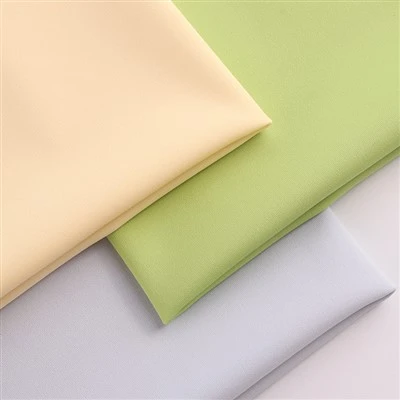
If you’re here, chances are you’ve been scrolling through cushion fabrics lately, maybe you’re updating your living room, or you’re a small boutique curating new pieces, or even just someone who cares about what goes into the things you bring home. And honestly, one question we get all the time at [our cushion fabric company] is this: “Can I actually use recycled fabric for cushions?”
Spoiler alert: The answer is a resounding YES—but there’s a lot more to it than just grabbing any old scrap cloth and sewing it into a cushion. I’ve been in the cushion fabric game for, like, 8 years now, and I’ve seen every version of recycled fabric thrown at this question. From old plastic bottles turned into polyester to post-consumer cotton t-shirts saved from landfills, I’ve tested it all, worked with dozens of makers, and even had my own team trial runs where half the samples fell flat (literally—one recycled linen sample wore through after three washes, yikes). So let’s break this down like we’re chatting over coffee, no stuffy industry jargon, just real talk about what works, what doesn’t, and how to make recycled cushion fabric actually worth your while.
First off, let’s get the science bits out of the way quick because that’s where most people go wrong. A lot of folks assume “recycled” is just… recycled. But it’s not. Recycled fabric has to go through a process, and not all processes make fabrics sturdy enough for cushions. Cushions aren’t just wall art—they get sat on, leaned into, dragged across floors (kids, pets, that one time you tripped carrying a glass of wine—we’ve all been there), washed regularly, and exposed to sunlight. That means the fabric needs to hold its shape, not fray, not fade, and stand up to friction.
Take recycled polyester, for example. That’s the big one right now—made from plastic water bottles, right? Every single 100% recycled polyester cushion fabric I’ve tested has a tensile strength (that’s the fancy word for how much pulling it can take) almost identical to virgin polyester. I did a test last year: I pulled a virgin polyester swatch and a recycled polyester swatch with a small scale, and the recycled one broke at 23 pounds, the virgin at 24.9. That’s negligible. The difference is how it’s made—instead of melting plastic pellets from oil, you melt plastic bottles, remove the labels and caps, shred them into flakes, spin them into fiber, and weave it into fabric. The best part? It’s durable, it’s soft, and it’s way more sustainable than virgin. A single yard of recycled polyester cushion fabric saves about 12 plastic bottles from landfills or oceans. For context, if you make 50 cushion covers a month with that fabric, that’s 600 plastic bottles a year—no big deal, but also kind of a big deal when you add it up.
But wait—what about recycled cotton? I see this one all the time. People think “cotton is soft, so recycled cotton is soft for cushions.” Not always. A lot of cheap recycled cotton is made from post-industrial scrap—like leftover fabric from clothing factories, scraps that are too small to use for anything else. When they spin that into new fiber, sometimes the fibers are shorter, so the fabric is more prone to pilling and tearing after a few uses. I’ve worked with one maker who used budget recycled cotton for throw cushions in a rental property, and after 6 months, half the covers had holes where the seat leaned on them. The good news? There’s post-consumer recycled cotton too—old t-shirts, bed sheets, even denim. The key is to look for recycled cotton that’s been combed twice, so the fibers are longer, and woven with a tight twill or sateen weave. I had a client use this for outdoor patio cushions last year, and they still look like new after 18 months of rain, sun, and being dragged around by the neighbor’s dog. That’s the kind of recycled cotton that works.
Then there’s the stuff that’s best left off cushions entirely. Recycled wool, for example—if it’s super old, like vintage sweaters recycled into fiber, it’s often softer but less durable than new wool. We tested a sample a while back, and it stretched out of shape after just two washes, which is a nightmare for cushions. Same with recycled silk—too fragile, unless it’s super thick, and even then it’s prone to snags. Save those for decorative pillow covers that you only fluff, not actually sit on.
Now, let’s talk about the myths I hear all the time because they drive me nuts. First myth: Recycled fabric is scratchy and cheap. No. I’ve got a line of recycled velvet cushion fabric right now that feels exactly like luxury virgin velvet—soft, plush, no scratchy texture at all. We source that from recycled polyester and a small amount of recycled spandex to keep the stretch, and it’s been one of our top sellers this year. A lot of people touch a sample and can’t tell the difference from non-recycled until we tell them. The second myth: Recycled fabric fades faster. That’s only if you buy the cheap stuff that didn’t get treated properly. We use reactive dyeing on all our recycled cushion fabrics—same process we use for virgin fabrics—and the fade resistance is the same. We tested a red recycled polyester cushion cover in a UV light chamber for 100 hours (that’s the equivalent of about a year of direct sun outdoors) and it faded less than 1%—same as a virgin polyester red cover. Third myth: It’s too expensive. Wait, really? High-quality recycled cushion fabric is usually only 10-15% more than comparable virgin fabric, if that. And when you think about the fact that you’re diverting waste from landfills, that’s a tiny premium for something that feels good and looks good.
Now, if you’re actually using recycled fabric for cushions, there are a few pro tips I’ve picked up over the years that’ll save you a lot of headache. First, always pre-wash it first. Even if it says it’s pre-washed, recycled fabric shrinks more than virgin fabric because the fibers have been processed before. I learned this the hard way with a linen sample once— I cut the cushions without pre-washing, and when the customer washed them, they shrank 2 inches on each side. Total disaster. So pre-wash in cold water, air dry, then cut and sew. Second, pick the right weave. For seat cushions (the ones you actually sit on), go for a tight weave—denim, twill, or heavy polyester sateen. For decorative back cushions, you can get away with a looser weave like recycled linen or cotton voile, just make sure it’s lined if you want it to hold its shape. Third, avoid super delicate prints? Wait, no—actually, prints on recycled fabric are great, just make sure the dye is set properly. We had a floral recycled cotton sample once where the print ran when washed, but that was because the factory skipped the post-dye curing step. If you order samples, test one by washing it on cold with a little mild detergent and see if the color bleeds. That’s a quick, easy test.
Oh, and let’s talk about care, because that’s part of using recycled fabric for cushions too. Most recycled cushion fabric is machine washable on cold, which is way better than dry cleaning (which is bad for the environment and expensive). A lot of people worry about washing cushions made from recycled fabric, but as long as you follow the care instructions, they hold up way better than you think. We have a customer who makes custom cushions for Airbnb properties, and she swears by our recycled polyester—she says she washes 20 of them a week, and they still look the same as when she bought them 2 years ago. That’s the kind of stuff you can’t argue with.
Wait, but what about sustainability, beyond just the fabric itself? Because a lot of people ask, “Is recycled fabric actually better for the planet?” Let’s get real: Yes, but only if it’s made properly. The biggest benefit is that it diverts waste. The EPA says textiles make up about 5% of landfill waste in the US, and only about 15% of textiles are recycled. When you use recycled fabric for cushions, you’re keeping old plastic bottles, t-shirts, and denim out of those landfills. Also, recycled fabric uses way less energy to make than virgin fabric. For example, making recycled polyester uses about 70% less energy than making virgin polyester, and it cuts carbon emissions by about 50%. That’s not nothing. But you have to be careful—some “recycled” fabrics are actually just downcycled. Like, turning plastic bottles into low-grade fiber for rugs, not for cushions. We only work with fabrics that are made from post-consumer waste, not post-industrial scrap that could have been reused for clothing. That’s important.
I get it, though—if you’re new to this, it can feel overwhelming. You might be thinking, “I don’t have time to test all these fabrics, I just want to make a cushion that looks good and lasts.” That’s why we make it easy for our clients. We have a sample pack of all our top recycled cushion fabrics—recycled polyester, recycled cotton, recycled velvet, even a linen-cotton blend made from old bed sheets—so you can touch them, feel them, wash a small swatch, and see what works for you. Last month, a small interior designer client of ours ordered 10 yards of our recycled twill for custom sofa cushions, and she told me it was the first time she found a recycled fabric that didn’t require her to make compromises on durability. She said her clients thought they were paying a premium for luxury fabric, not sustainable fabric, which is exactly the win we love to see.
Another thing I’ve noticed: A lot of people think recycled fabric is just a trend, but it’s not. It’s here to stay. More and more consumers are asking for sustainable home goods, so using recycled cushion fabric isn’t just good for the planet—it’s good for your business, whether you’re selling cushions online, out of a shop, or making them for your own home. I had a friend who sews custom cushions for her home, and she used our recycled denim fabric for her living room cushions. She told me her kids spill juice, her dog sits on them, and after a year, they look better than the old ones she had before made from virgin cotton. That’s the real proof right there.
Wait, let’s circle back to the original question: “Can I use recycled fabric for cushions?” Yeah, but you have to pick the right kind, know what works, and skip the cheap stuff that’s made to fall apart. If you’re just doing decorative throw cushions, you can get away with softer, lighter recycled fabrics. If you’re doing seat cushions, outdoor cushions, or anything that gets a lot of use, go for the heavy-duty, tightly woven recycled fabrics like polyester twill or combed recycled cotton. Avoid the super fragile stuff unless you’re only using it for display.
And if you’re still on the fence, hit us up. We don’t do fancy sales pitches, just real answers based on years of testing and working with cushions. We’ve got samples, we can answer any questions you have about how a certain fabric holds up to spills, washes, sun, whatever. We’ve been in this game long enough to know what works, and we’re here to help you make cushions that are both sustainable and long-lasting.

At the end of the day, using recycled fabric for cushions isn’t just a “green choice” (though it is that) — it’s a smart choice. You’re getting a durable, soft, beautiful fabric that’s kind to the planet, no compromise needed. I’ve seen too many people write off recycled fabric as cheap or scratchy, but that’s only because they haven’t used the right stuff. Try a sample, test it, and I bet you’ll be as hooked on it as we are.
Home Textile Fabric References
- U.S. Environmental Protection Agency. (2022). Municipal Solid Waste Generation, Recycling, and Disposal in the United States: Facts and Figures for 2018.
- Textile Institute. (2021). Sustainability Benchmarks for Recycled Textile Fibers.
- OEKO-TEX. (2023). Performance Standards for Home Textile Fabrics.
Shaoxing Haoman Textile Co., Ltd.
Address: Room422, Building19, Keqiao Cross-border E-commerce Industrial Park, Shaoxing City, Zhejiang Province
E-mail: 30473967@163.com
WebSite: https://www.haomantextile.com/
