Hey there! So, let’s cut to the chase—metal springs are everywhere, right? You might not even notice ’em half the time, but they’re the unsung heroes keeping so many consumer products working smoothly. I run a metal spring supply business, and I’ll tell you, most folks have no clue how often these little (or not-so-little) metal coils, levers, and wires show up in the stuff they use every single day. Today, I wanna walk you through the most common consumer products that depend on metal springs, why they matter, and maybe even a quick nod to how we make sure those springs hold up when you need ’em. Metal Spring

First up, let’s talk about something everyone uses every single morning: your toothbrush. Wait, even the electric ones? Yeah, both! Think about your manual toothbrush—those tiny metal springs in the head? They’re the reason the bristles flex just enough to get between your teeth without scraping your gums too hard. And electric toothbrushes? They’ve got compression springs inside that create the oscillating or rotating movement we all know, right? Without that spring, the motor would just spin uselessly, no clean. I’ve had a few customers reach out because they needed replacement springs for high-end electric toothbrush brands—turns out, those small, precise coils make or break a whole product line. Who would’ve thought?
Next on the list is something that’s been around forever and still gets used daily: door locks. I’m not talking just your front door, either—cabinet locks, deadbolts, even those little latch locks on your fridge or bathroom medicine cabinet. Every time you turn a doorknob and hear that satisfying “click,” that’s a torsion spring at work. It’s the spring that’s loaded when you turn the knob, and it pushes the latch back into place so the door shuts tight. And for cabinet doors? Especially the ones that slam shut if you let ’em, soft-close hinges? Yeah, those rely on tension springs (or sometimes gas springs, but metal ones are way more common for consumer goods) to slow the door down, so it doesn’t make that loud bang or pinch little fingers. We’ve supplied springs to a bunch of hardware brands that make these hinges—they need ’em to be consistent, not too stiff so the hinge still moves easily, not too weak so the soft-close works every time. That balance is key.
Now, let’s get to something most people can’t go an hour without: your phone. Wait, phones have springs? Oh yeah, more than you think! Let’s start with the SIM card tray— that tiny metal tray you pop open with a pin? It’s got a small compression spring inside that pushes the tray back out when you press the pin. No spring, and the tray would get stuck half-in, half-out, or not pop at all. Then there’s the side buttons—power, volume, mute. Each of those has a tiny tactile spring that gives you that little “click” when you press ’em, telling you the button registered. Without that spring, the buttons would feel mushy, and you’d never be sure if you turned up the volume or not. Even some phone cases have springs? Wait, no, maybe not, but let’s talk about wireless earbuds. The charging case? When you open it, the lid stays up instead of slamming shut— torsion spring again. And inside the case, the little holders for the earbuds? They have tiny springs that hold the earbuds in place tight, so they don’t move around while you’re carrying them. I’ve worked with a few small tech startups that make custom earbuds—they needed springs that were ultra-precise, no burrs, because anything that sticks out could scratch the delicate earbud casings. That’s the stuff most consumers never see, but it’s critical.
Kitchen appliances are another big one—think about the stuff you use every time you cook or make a snack. The classic toaster, for sure. When you push the lever down to lower the bread, that’s a tension spring holding it up until the thermoelectric component heats up and trips the spring, popping the bread up. If that spring is too weak, the bread would never stay down long enough to toast; too strong, and you’d have to muscle the lever every time. Then there’s the oven door—many standard ovens use torsion springs to hold the door open when you’re checking on your cookies, and to support the weight of the door so it doesn’t slam. And let’s not forget refrigerators—we mentioned the cabinet door locks earlier, but refrigerator doors have big, heavy-duty torsion springs (or sometimes extension springs) in the hinges. Those springs take the brunt of supporting the fridge door’s weight, so your door doesn’t fall off its hinges or slam shut on your fingers. Oh, and can openers! The manual ones you twist? The wheel that cuts into the can has a small spring that applies consistent pressure to the can, so the cutting wheel doesn’t slip. Too much pressure, and you’ll pierce all the way through the can; too little, and it’ll skid around. That’s a tiny spring doing big work.
Moving on to personal care—wait, we did toothbrushes, but what about hair products? Hair clippers, curling irons, hair straighteners? All have springs. Hair clippers have compression springs that push the cutting blades together, so they move back and forth cleanly. If that spring wears out, the blades become loose, and they start pulling hair instead of cutting it. Curling irons? The clamp that holds your hair has a tension spring inside—without it, the clamp would flop open, and your hair would slip out while you’re trying to curl it. Same with hair straighteners—each plate has a small spring that keeps them pressed together, so your hair gets evenly straightened, not just pressed on one side. I’ve had a customer who manufactures professional-grade hair straighteners reach out because their old springs were rusting after a few uses (bad material choice on their part). We switched ’em to stainless steel springs, and they haven’t had a complaint since. That’s the thing with metal springs—you can’t use just any metal; you have to pick the right one for the job, whether it’s stainless steel for moisture-prone areas like bathrooms, or high-carbon steel for heavy-duty stuff like door locks.
Now, let’s talk about something that’s super popular for outdoor stuff and kids’ toys, but also for adult hobbies: bicycles. Wait, bikes have so many springs! The suspension forks on mountain bikes—those have big coil springs (or air springs, but metal springs are still common for budget and mid-range bikes) that absorb bumps from rocks and roots, so you don’t feel every little jolt. Then there’s the seat post—many bikes have a spring-loaded seat post that lets you adjust the height without tools, and some even have a small spring to keep the seat from bouncing up and down while you ride. Even the brakes! Both rim brakes and disc brakes have tension springs that pull the brake pads back away from the wheel when you release the brake lever, so the pads don’t rub against the wheel and slow you down unnecessarily. And for the handlebar grips? Some have tiny springs inside to keep them secure, so they don’t spin around the bar. I’ve supplied springs to a few small bike brands that make custom commuter bikes—they needed springs that were lightweight but strong enough to last through daily commutes, rain, and cold weather. That’s a balancing act, and we work with them to test every spring batch to make sure it meets their specs.
Wait, I almost forgot about furniture! How many people have a couch with a spring in it? Well, not the old coiled springs like they used to, but modern furniture uses tension springs too—especially recliners. When you lean back in a recliner, that’s a big torsion spring working to support your weight and let you move smoothly without feeling like the chair is going to collapse. Also, desk chairs—those adjustable height levers? They have a compression spring inside that locks the lever in place, so the chair stays at the height you set. If that spring wears out, the lever will slip, and the chair will drop down while you’re sitting. Even storage ottomans—when you lift the lid to get blankets inside, a small gas spring (metal parts, anyway) helps hold the lid up so it doesn’t fall back on your hands. I’ve had a few furniture manufacturers ask for replacement springs for old recliners—turns out, those springs can wear out after years of use, and a lot of people don’t know you can replace them instead of buying a whole new chair. That’s a nice side job we do sometimes, keeping old furniture usable instead of going to landfill.
Let’s not leave out office supplies—even though they’re small, they’re everywhere. Staplers! The heavy-duty office staplers use a big compression spring to push the staples forward one at a time, so you don’t have to load them every five minutes. If that spring is weak, staples will jam; too strong, and you’ll have to push really hard to staple through paper. Paper clips? Wait, no, those are bent wire, but rubber bands are not metal. Wait, hole punchers! Every time you punch a hole in a sheet of paper, that’s a torsion spring that pulls the punch arm back up after you push it down. Without that spring, you’d have to manually lift the punch every time, which would get tiring fast. And binder clips? The metal arms on the big binder clips are actually tension springs—they apply pressure to hold the papers tight. I even have a customer who makes custom clipboards for schools, and they use small springs to keep the clip from falling off the board. All tiny, all essential.
Okay, let’s wrap this up with something that’s maybe not in every home, but is definitely everywhere: power tools. Drills, saws, sanders—all use metal springs. A drill’s chuck (the part that holds the drill bit) has a compression spring that keeps the chuck tight around the bit, so it doesn’t slip while you’re drilling. If that spring wears out, the bit will spin inside the chuck, which is super dangerous and can ruin your project. Circular saws have a torsion spring that keeps the blade guard down when you’re cutting, and up when you’re done, protecting you from the sharp blade. Even sanders—they have tension springs that hold the sanding pad in place, so it doesn’t shift while you’re sanding wood or drywall. I’ve worked with a power tool company during a product redesign—they wanted their drill chucks to last twice as long as the competitors’, so we engineered a spring with a higher tensile strength, but still flexible enough to install easily. It took a few prototypes, but now their drill is one of the top-selling models for DIYers and professionals alike.
So, here’s the thing—metal springs might seem like simple parts, but they’re really engineering marvels. They have to be precise enough for tiny things like phone buttons, strong enough for heavy oven doors, and durable enough to survive years of use on a bike. Not all springs are created equal, which is why getting the right spring for your product (or replacement part) is so important.
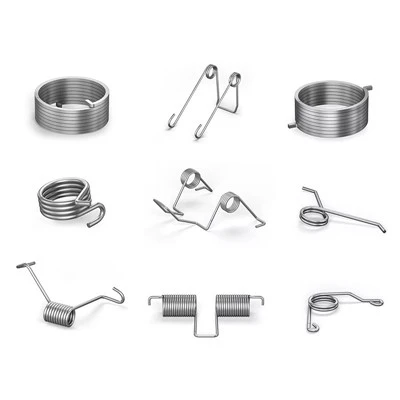
If you’re a manufacturer, a repair shop, or even someone who needs custom replacement springs for a project, I can help. We work with all kinds of industries—consumer electronics, hardware, kitchen appliances, outdoor gear, you name it. We make springs to your exact specs, test every batch to make sure they hold up, and can adjust things like material, size, tension, and finish to fit your needs. No generic, one-size-fits-all springs here—we get that your product (or repair job) depends on a spring that works perfectly every single time.
Spring Steel Wire If you’re looking to source reliable, high-quality metal springs for your consumer product line or a specific project, reach out to talk through what you need. We’re here to help you find the right spring, whether it’s a tiny coil for a phone or a heavy-duty torsion spring for a commercial door.
References
- International Organization for Standardization (ISO). (2022). Spring Design and Manufacturing Standards. ISO 10243:2022.
- American Iron and Steel Institute (AISI). (2021). Metallurgy of Spring Steels for Consumer Applications. AISI Steel Spring Technical Report 2021-03.
- Consumer Product Safety Commission (CPSC). (2020). Hidden Components in Common Consumer Goods: Metal Springs. CPSC Technical Note 2020-07.
- The Spring Manufacturers Institute (SMI). (2022). Global Market Analysis of Metal Springs in Consumer Products. SMI Annual Industry Report.
Baoding Zhongxin Spring Manufacturing Co., Ltd.
We’re known as one of the most reliable metal spring manufacturers and suppliers in China. With abundant experience, we warmly welcome you to buy durable metal spring made in China here and get pricelist from our factory. All customized springs are with high quality and competitive price.
Address: West Side, 200 Meters North of Chenzhuang Gas Station, Pangkou Town, Gaoyang County, Baoding City, Hebei Province, P.R. China
E-mail: 13292951555@163.com
WebSite: https://www.zhongxinind.com/
