If you’ve ever watched a crawler tractor rumble through a muddy construction site, climb a steep logging slope, or haul heavy loads across uneven farmland, you might’ve wondered how it never gets stuck or bobs around like a loose boat. The secret’s not just the tracks (even though they’re super important) — it’s the suspension system. As a crawler tractor supplier, I get questions about this all the time, and most people don’t realize how much goes into designing something that balances power, durability, and ride comfort for these tough machines. Crawler Tractor
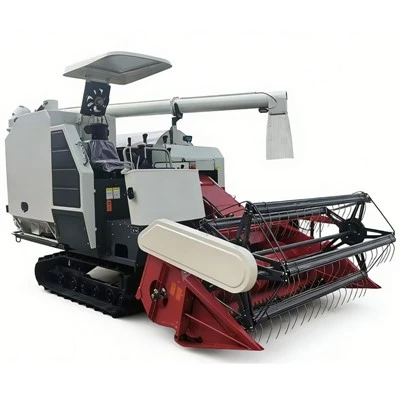
Let’s start with what makes crawler tractor suspension different from regular wheeled vehicles. Wheeled cars and trucks use suspensions like coil springs or leaf springs to smooth out bumps, but crawler tractors don’t have wheels — they have tracks that wrap around a set of wheels and rollers at the bottom. That means their suspension has to work with that track system, not against it, while supporting a machine that can weigh 10 tons or more (some heavy-duty models tip the scales at 50+ tons). The goal isn’t just a smooth ride for the operator, either — it’s keeping every track roller in contact with the ground, even when the terrain’s chaotic. If a roller lifts off a bump, you lose traction, which is a big problem when you’re pulling a bulldozer blade or clearing a path through rocky ground.
There are a few main types of suspension systems you’ll see on crawler tractors these days, and each is built for a specific job. Let’s break them down, because as a supplier, I can tell you we match the suspension type to what the customer needs most.
First up is the bogie suspension — this is the classic one that’s been around for decades, and it’s still the most common on mid-sized tractors. A bogie is basically a set of two or three track rollers mounted to a frame that pivots around a central axle. Think of it like a see-saw, where one side goes up over a rock and the other dips down to stay in touch with the ground. Most bogies use torsion bars to help cushion the movement, not coil springs. Torsion bars are long, tough metal rods that twist instead of compressing, so they can handle way more weight than a regular spring. The best part? They’re simple to repair out in the field. If a part of the bogie wears out, you don’t need a fancy shop — you can swap it with basic tools, which is huge for contractors who work in remote job sites.
The downside of bogie suspension? It’s not the smoothest ride for operators who spend all day in the cab. Because it pivots, you get a bit of rocking motion that can get tiring over time. That’s why we’ve been seeing more crawler tractors with hydro-pneumatic suspension lately, especially on larger models. Hydro-pneumatic uses hydraulic fluid and compressed gas (like nitrogen) in cylinders to cushion the movement of the track rollers. It’s way more adjustable than bogie suspension — you can tweak the pressure to firm it up for heavy loads or soften it for rough terrain. This makes the ride way smoother, and it also lets the operator adjust how much the tractor sits off the ground, which is handy when you need to clear high obstacles or get extra traction in deep mud. For logging companies or large construction crews, the extra comfort and control are worth the higher upfront cost, no question.
Another type you might come across is the idler-mounted suspension, where the front idler (the wheel at the front of the track) is spring-loaded instead of fixed. This isn’t a full suspension, but it works with the main bogie system to take big hits. When a tractor runs over a large rock or stump, the idler can move back and forth slightly to absorb the impact, instead of jolting the whole machine. It’s a simple add-on that extends the life of the tracks and rollers, which saves customers money on replacements down the line.
Now, let’s talk about how suspension ties into the actual job of a crawler tractor. I’ve seen too many customers underestimate how important a good suspension is, only to end up with broken tracks or a machine that can’t keep up with their work. For example, a farmer using a crawler tractor to plow a muddy field — a stiff bogie suspension might bounce so much that the plow doesn’t dig evenly, leading to wasted time and fuel. A hydro-pneumatic suspension would adjust to the soft ground, keeping the plow steady and the track from slipping. On construction sites, where terrain can switch from smooth pavement to jagged rock in a matter of feet, the suspension has to keep all 12 or more track rollers in contact with the ground. If even one roller lifts, that’s a weak spot — the track can come off, or the tractor can get stuck, costing hours of downtime.
Durability’s another big factor here. Crawler tractors work in some of the harshest conditions on the planet — dusty deserts, swampy wetlands, frozen Arctic tundra. Their suspension has to handle not just weight and bumps, but also dirt, mud, and corrosion. That’s why we use high-grade steel for torsion bars and heavy-duty seals on hydraulic parts. A lot of cheap imports skip on these, leading to suspension failures within a year, but our machines are built to last 10,000 hours or more with regular maintenance. I always tell customers: the suspension isn’t a “nice-to-have” — it’s what makes the tractor actually work when you need it most.
Wait, let’s clear up a common myth I hear all the time: suspension on crawler tractors doesn’t just make the ride comfortable. Yeah, comfort is a bonus, but the real job is traction. Traction is everything for a crawler tractor — that’s why they’re used instead of wheeled vehicles in tough spots. If your suspension lets a track roller lift off the ground, you’re losing traction, which means you’re using more power to do the same work. It also puts extra stress on the engine and drivetrain, leading to higher fuel costs and more wear and tear over time. A good suspension keeps every part of the track pulling, so the tractor uses power efficiently and gets the job done faster.
Let me give you an example from last year. We had a customer who ran a small logging operation in the Pacific Northwest. They’d been using an old crawler tractor with a basic bogie suspension, and it kept getting stuck on steep, rocky slopes — they’d lose traction halfway up, have to turn around, and waste a day repositioning their load. We upgraded them to a mid-sized model with our modified bogie suspension, which has extra torsion bars and reinforced pivots for uneven terrain. Within a month, they were cutting 20% more logs per week, and their track replacement costs dropped by 15% because the new suspension reduced side strain on the tracks. That’s the kind of impact a good suspension makes, right there.
Now, what about maintenance for crawler tractor suspension? It’s not complicated, but it’s important to stay on top of it, especially if you’re running the machine hard. For bogie suspensions, you should grease the pivot points every 50 hours of use, and check for wear on the torsion bars — if they bend or crack, that’s a big safety risk. For hydro-pneumatic systems, you need to check the hydraulic fluid level regularly and make sure the gas pressure is within the manufacturer’s specs. Most of the time, issues are small — a loose bolt, a seal that’s starting to leak — and catching them early saves you from a major breakdown out in the field. As a supplier, we send out a simple maintenance guide with every machine, and our techs are always available to walk customers through it if they have questions.
I should also mention that suspension design varies based on the size and use case of the crawler tractor. Mini crawlers (used for landscaping or small excavation) have simpler, lighter suspension systems, usually just two track rollers per bogie and basic torsion bars. Ultra-heavy crawlers (like the ones used to move bridges or large construction equipment) have more complex hydro-pneumatic suspension with multiple rollers and adjustable settings, because they need to support 100+ tons of weight. We don’t sell a one-size-fits-all suspension, which is why we work with each customer to figure out exactly what they need.
At the end of the day, when someone buys a crawler tractor, they’re not just buying a big engine or a set of tracks — they’re buying a system that can do work that other machines can’t. The suspension is the backbone of that system. It’s what lets the tractor climb a slope without slipping, carry heavy loads without bouncing, and keep running day after day in tough conditions. Too many people overlook it, but as a supplier who’s been in this business for years, I can tell you it’s the most important part to get right.
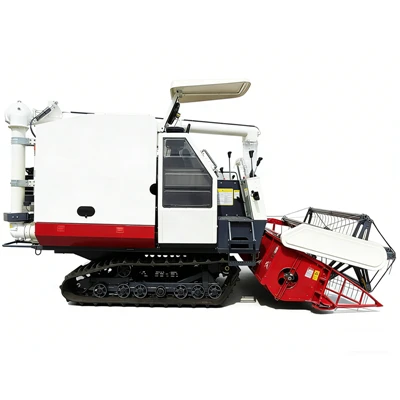
If you’re in the market for a crawler tractor and you want to make sure you’re getting one with a suspension that fits your needs, reach out to our team to discuss your requirements. Whether you’re a farmer plowing fields, a contractor grading land, or a logger moving timber, we can help you find the right model with the right suspension to get the job done efficiently and reliably. We’re here to answer your questions, walk you through the different options, and make sure you make a choice that works for your operation.
Farm Tractor Attachments References
- Caterpillar Inc. (2022). Crawler Tractor Suspension Systems: Design and Performance. Construction Equipment Guide.
- Komatsu Ltd. (2021). Hydro-Pneumatic Suspension for Heavy-Duty Crawler Tractors. International Journal of Heavy Vehicle Systems.
- The Construction Contractors Association. (2020). Maintenance Best Practices for Crawler Tractor Suspensions. Job Site Safety & Maintenance Journal.
- Tractor and Engine Manufacturers Association. (2021). Bogie vs. Hydro-Pneumatic Suspension: Comparative Analysis for Agricultural Crawlers. Agricultural Equipment Magazine.
Huzhou Liangyi Agro Machinery Co., Ltd.
As one of the most professional crawler tractor manufacturers and suppliers in China, we have world-leading production equipment and strong manufacturing capabilities. Please rest assured to wholesale advanced crawler tractor from our factory. Contact us for more cheap products.
Address: High-Tech Industrial Zone, Huzhou City, Zhejiang Province, China
E-mail: Liangyi_agro@126.Com
WebSite: https://www.cnliangyi-agro.com/
