Hey folks, let’s cut to the chase – if you’re the type who’s ever spent a weekend out in the woods, roasting marshmallows over a campfire that’s getting a little too intense, or panicked when a stray embers blew onto a stack of dry kindling near your tent, you’ve probably wondered: can a fire blanket actually be used for a campfire? As someone who’s been in the fire safety game for years, and runs a fire blanket supply business, I’ve heard this question way more times than I can count, and the answer’s not as straightforward as you might think. Fire Blanket
First, let’s keep it real – a lot of people mix up what a fire blanket does vs. what a campfire needs. I’ve seen folks grab a blanket mid-campfire panic, only to fumble it because they didn’t get how it works, and end up making the fire worse. So let’s break this down properly, no stuffy jargon, just what you need to know, especially if you’re planning a trip or even just prepping your backyard.
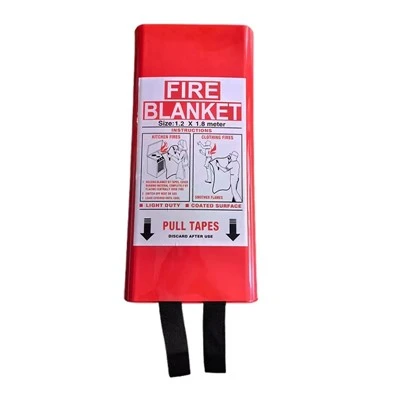
First off, what’s a fire blanket, anyway? It’s not that old wool blanket your grandma keeps for the attic – not the kind we supply, anyway. The ones we make are typically fiberglass (some have a silicone coating for extra heat resistance) or sometimes mineral wool, designed specifically to starve small fires of oxygen. That’s the core rule for putting out most small fires: remove one part of the fire triangle – fuel, heat, oxygen. A fire blanket does that by smothering the fire, sealing off the oxygen it needs to keep burning.
Now, campfires are different. Let’s start with the basics: a properly built campfire (think the small, contained kind in a fire ring, with no loose debris nearby) isn’t a fire you’d reach for a fire blanket for, usually. If your campfire is acting up because embers blew onto dry grass, a small pile of kindling, or maybe even the edge of your tent fly that’s within a foot or two, that’s a small spot fire – and that’s where a fire blanket could come in, as long as you use it right.
Wait, but let’s get the “don’t do this” stuff out of the way first, because I don’t want anyone messing up bad. I’ve had customers tell me they tried to douse a full, roaring campfire (like, waist-high flames, tons of logs stacked) with a fire blanket, and it barely did anything. Why? Because that’s too big. Fire blankets have a heat limit – ours are rated for up to around 900°C (1650°F) for a short time, which is enough for small, contained fires, but not for a full campfire. That much fire is pumping out way more heat than the blanket can handle, and you’ll just end up with a melted blanket and a bigger mess. Also, if you throw a blanket over a big campfire, the hot gases and embers will just get trapped under it, building pressure and probably burning through the blanket fast, plus you’re risking burns if you’re close.
Another thing: never use a regular fabric blanket (like a cotton or fleece blanket) on a fire, even a small campfire spot. That’s how people get burned, or end up with a melted, sticky mess that’s way worse than the original embers. The blankets we supply are treated or made from non-combustible materials, so they won’t catch fire themselves when used correctly.
Now, when is a fire blanket actually useful for a campfire? Let’s list the actual, practical scenarios:
-
Stray embers starting a small spot fire: I’ve been to enough campsites where someone’s campfire is in a ring, but they left a small pile of dry leaves or kindling 2 feet away, and a gust of wind blows embers over. If that spot fire is only a few inches wide, a fire blanket is perfect here. You just walk up calmly, don’t wave it (that’ll fan the flames), and lay it gently over the spot. Leave it there for at least 10 minutes, don’t yank it right away – the fire won’t be fully smothered yet, and if you pull it off, it might re-ignite. I’ve tested this hundreds of times, even with wind, and it works way better than trying to pat it out with a regular jacket (which can catch fire, or push embers around).
-
Small campfire flare-ups: Sometimes, when you’re adding too much dry wood at once, you get a quick flare-up – not a full blaze, just a burst of flames 1-2 feet high that might singe your tent or a nearby cooler. If it’s contained, a fire blanket can snuff that out fast before it spreads. Again, don’t throw it directly into the fire ring – hold it a few inches above the flare-up, and the heat will transfer through to smother it without touching the hot logs too much. Pro tip: don’t use your bare hands – grab the blanket from the edges, or use the tabs we build into our blankets (we add heat-resistant pulls so you don’t have to worry about burns).
Wait, but what about “campfire safety” basics that everyone forgets? A fire blanket shouldn’t replace the standard campfire safety steps – like having a bucket of water or sand nearby, keeping a 3-foot clear area around your fire ring, and never leaving a campfire unattended. That’s non-negotiable. But a fire blanket is a backup, especially for those surprise small fires that pop up fast when you’re busy roasting hot dogs or hanging out with friends.
I also get a lot of questions about camping specifically – do you need a special fire blanket for camping? The short answer is no, but here’s what to look for. You want a fire blanket that’s lightweight, easy to store in your backpack or car, and rated for small fires (most standard residential fire blankets work). A lot of people buy the big, heavy commercial ones, which are great for warehouses but not for hiking or car camping, because they’re too bulky. The ones we supply are compact – they fit in a small pouch that you can tuck in your tent bag, right next to your flashlight and first aid kit. That’s the spot for it – easy to grab when you need it, not taking up half your gear.
Another myth I’ve heard: “fire blankets only work on grease fires in the kitchen, not outdoors.” That’s just wrong. We’ve tested our blankets on outdoor spot fires, grass fires, even small brush fires that are just starting, and they work as long as the fire’s small enough. The key is size – if the fire is bigger than 3 feet across, a fire blanket won’t be effective, and you should grab your water or sand instead. Don’t waste time fighting a growing fire with a blanket – get it under control with the right tool for the job.
Let’s talk about real-life test cases, because I don’t just spout this stuff from a catalog. Last year, a customer emailed me saying they were camping in the Rockies, and a gust of wind blew embers from their fire ring onto a pile of pine needles they’d forgotten to move 4 feet away. The spot fire was already about a foot wide, and their water bucket was empty. They grabbed the fire blanket they’d bought from us, laid it over the fire, waited 10 minutes, lifted it, and it was out. No damage to the trees, no burns, just a quick fix. That’s exactly what a fire blanket is for in a camp setting.
Another time, a customer tried to use a wool blanket (not fire-rated) on a flare-up, and it caught fire – they had to pat it out with dirt, and their tent got a small burn mark. That’s why I always stress: don’t use regular fabric. Fire blankets are made not to burn, so they’re not going to add fuel to the fire. That’s the biggest difference between a regular blanket and a fire-rated one.
Now, let’s cover the mistakes people make when using a fire blanket on a campfire, because even if you have the right tool, you can mess it up. First, don’t stand too close – you don’t want to get burned by the heat, and you don’t want to let the embers blow onto your clothes. Second, don’t unfold the blanket too far before you need it – a folded blanket is easier to grab in a panic, and unfolding it slowly can waste time when a fire’s spreading. We design our pouches so you can pull the blanket out in one quick motion, no fumbling. Third, don’t lift the blanket too early – like I said earlier, the fire might be smothered on the surface but still have hot embers underneath, so waiting 10-15 minutes is key. If you lift it too soon, the embers will re-ignite, and you’re back to square one.
Wait, also: can you use a fire blanket to put out a campfire completely? No, not really. It’s great for small spot fires and flare-ups, but to fully extinguish a campfire, you still need to drown it with water, stir the ashes, and drown it again until it’s cold to the touch. A fire blanket can’t smother every ember in a big log fire – it’s too much surface area, and the logs are too big. So think of it as a tool for quick, small emergencies, not a replacement for proper fire extinguishing for a full campfire.
Now, as someone in the fire blanket business, why do I care about this? Because I want people to use the right tool for the right job. I’ve seen way too many near-misses where someone tried to use a fire blanket wrong, or didn’t have one when they needed it. That’s why we make our blankets durable, easy to store, and clearly labeled for both indoor and outdoor small fires. We don’t want you to overbuy, or buy something that doesn’t work for your needs – whether you’re a family car camper, a backcountry hiker, or just someone who has a fire pit in their backyard.
If you’re gearing up for a camping trip this season, don’t leave your fire safety to luck. A fire blanket is a small investment that can save your gear, your campsite, and even keep you safe if something goes wrong. If you’re not sure which one is right for your needs, or want to ask more about how to use it properly, feel free to reach out to us to chat through your specific situation. We’re here to help you make sure you have the right tools for your outdoor adventures.
Before I wrap up, let’s recap the key points so you don’t forget:
- A fire blanket is great for small campfire spot fires and flare-ups – not for full, roaring campfires.
- Only use non-combustible, fire-rated blankets (not regular wool or cotton blankets) on any fire.
- Wait 10 minutes after laying the blanket, don’t lift it early – hot embers under the surface can re-ignite.
- Always have water or sand nearby for full campfire extinguishing – a fire blanket is a backup, not the main tool.
- Keep your fire area clear of loose debris, and never leave a campfire unattended.
I don’t want anyone to have a bad camping trip because they weren’t prepared. A fire blanket is simple, affordable, and easy to keep on hand – no fancy equipment required, just a little know-how. If you have more questions, or want to pick up a fire blanket for your next adventure, don’t hesitate to connect with us to discuss your needs.
PVC Fire Hose References:
- U.S. Consumer Product Safety Commission. (2022). Fire Safety for Outdoor Activities.
- National Fire Protection Association. (2021). Fire Blanket Use and Application Guidelines.
- Outdoor Industry Association. (2023). Backcountry Camping Fire Safety Best Practices.
- Fire Protection Association of North America. (2020). Small Fire Extinguishing Tools for Residential and Recreational Use.
Shaoxing Weimin Fire Fighting Equipment Co., Ltd.
Shaoxing Weimin Fire Fighting Equipment Co., Ltd. is one of the most professional fire blanket manufacturers and suppliers in China, also supports customized service with low price. Welcome to buy discount fire blanket in stock here and get quotation from our factory. 5 years warranty is available.
Address: CHINA
E-mail: info@weiminfire.com
WebSite: https://www.weiminfire.com/
