Hey there, thanks for dropping by—if you’ve ever been in the market for pumps, you know how overwhelming it can feel sifting through all the options out there. As a centrifugal pump supplier, I get so many questions: “Which pump do I actually need for my setup?” One of the most common ones is, “When should I go with a vertical centrifugal pump instead of a horizontal one?” Let’s cut through the industry jargon and break this down like we’re chatting over a coffee—no stuffy textbook stuff, promise. Centrifugal Pump
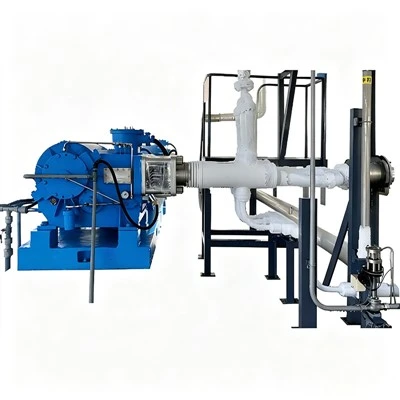
First, let’s keep it simple: vertical vs. horizontal centrifugal pumps. The big difference? Their shaft orientation, obviously—but that tiny change shapes everything from space usage to maintenance, which is why picking the right one makes or breaks your project. I’ve seen way too many folks grab whatever’s cheap first, only to deal with months of headaches because their pump won’t fit in the room or keeps overheating. That’s exactly why I put together this guide.
When is a vertical centrifugal pump the way to go? Let’s start with the most obvious one: when space is tight, especially floor space. I work with a lot of industrial facilities, municipal water plants, and even big commercial buildings (think skyscrapers or shopping malls) where every square foot costs money. Horizontal pumps are big—they need room to take out their rotor, align the shaft, and service the seal. Vertical pumps? They stand up. We once had a client who was retrofitting a 15-year-old municipal water treatment plant. They’d planned for horizontal pumps, but when they pulled the old units out, they realized the pump room was 20% smaller than their blueprints said. No joke, a vertical centrifugal pump slid right into the exact spot their old horizontal pump had taken up zero extra space for side maintenance. That’s a game-changer for retrofits where you can’t knock down walls or expand the floor plan.
Wait, that’s not just industrial stuff—commercial buildings get this too. Skyscrapers need pumps for water supply, right? The floors are stacked, so vertical pumps stack too. They mount them in narrow vertical chases or shafts, way smaller spaces than a horizontal pump would need on each floor. For example, a 50-story office building can’t carve out 4 feet of floor space per pump when each floor only has 8 feet of extra room in a utility closet. Vertical pumps fit that vertical gap perfectly.
Next up: dealing with high suction lifts or deep fluid sources. If you’re pulling water from a deep well, a sump that’s 20 feet below ground, or a storage tank that’s sunk low, vertical pumps shine here. Why? Their impeller sits submerged in the fluid, so no need to prime the pump (that’s the process of filling it with fluid to get suction working). Horizontal pumps need priming, and if your fluid source is deep, you might have to add extra priming systems that cost money and break down. I had a farmer client last year with a 30-foot deep well for his crop irrigation. He tried a horizontal pump first—kept having to re-prime it every time the well level dropped, and the extra priming kit was $800 a year to maintain. Switched to a vertical centrifugal pump, stuck right at the well bottom, and he hasn’t touched priming in 18 months. Way less hassle, way lower long-term costs.
Oh, and what about fluids that have solids? Wait, not all vertical pumps, but a lot of the robust ones we supply are designed for solids-laden stuff—like wastewater, industrial slurry, or stormwater runoff. Horizontal pumps, especially those with overhang shafts, can get clogged or damaged if solids get into the suction side. Vertical pumps with submersible impellers let you lower the whole unit into the sump, so you can add a screen at the intake that catches big solids before they get to the impeller, and the pump’s orientation lets it handle that gunk way better. We do a lot of work with municipal wastewater plants that switch from horizontal to vertical for their primary treatment sumps—they used to have to shut down every 6 weeks to unclog horizontal pumps, now it’s every 6 months. That’s less downtime, which equals way less lost revenue for the plant.
Wait, let’s not sleep on corrosion resistance or material compatibility. A lot of vertical pumps are designed to be fully submerged, so we can build them from materials that hold up to harsh chemicals or acidic fluids that would eat through a standard horizontal pump. I work with a chemical processing plant that handles dilute sulfuric acid. Their old horizontal pump was made of cast iron, corroded through in 10 months, costing them $12,000 in replacement parts and lost production. We supplied a vertical centrifugal pump lined with polypropylene, fully submerged in their acid holding tank, and it’s been running for 2 years without a single corrosion issue. That’s not just “good”—that’s a return on investment in 3 months flat.
Now, let’s be real—vertical pumps aren’t perfect, so I need to call out the times you should skip them. If you need to move really high volumes of fluid (like 10,000+ gallons per minute) most horizontal pumps can handle that better; vertical ones are usually for lower to medium volumes. Also, if you need to do heavy maintenance on the impeller, some vertical pumps (especially submersible ones) require you to pull the whole unit up from the fluid, which is more work than just opening a horizontal pump’s casing on the floor. But for most of the common setups I see, those downsides are negligible compared to the space and maintenance wins.
I should also mention the types of vertical pumps we supply, because not all vertical centrifugal pumps are the same. There’s vertical inline pumps—these are small, mount directly into pipe runs, perfect for HVAC systems in commercial buildings. Then there’s vertical turbine pumps, which are the deep-well workhorses we talked about. And vertical sump pumps, for wastewater and stormwater. A lot of people mix these up, so I always ask clients to tell me exactly what they’re pumping, how far it has to go, and where the pump will sit—That’s the only way to get the right fit.
Last year, I had a guy reach out who was building a new shopping mall. He was trying to fit pumps for the fire suppression system into the utility areas, which were tiny because the mall’s design prioritized retail space. He almost went with horizontal pumps because “that’s what I’ve always used,” until I walked him through how vertical inline pumps would fit into the 12-inch vertical pipe chases instead of taking up 2 feet of floor space. He saved $50,000 in construction costs just from not expanding the utility rooms, and the pumps have run flawlessly. That’s the kind of win that makes this job worth it.
Wait, let’s get back to something I hear all the time from clients: “I don’t know what I need.” That’s why we don’t just sell pumps—we help you figure out the right one. I’ve seen people waste money on vertical pumps when a horizontal one would’ve been cheaper, and vice versa. If you’re in the middle of a project, retrofitting, or just replacing a old pump, shoot me a note to chat through the details: what fluid, flow rate, head (that’s how far you’re pumping it vertically/horizontally), and the space you have. No pressure, just honest advice.
I can’t stress this enough: pump selection isn’t about picking the “best” pump—it’s about picking the pump that works for your specific setup. A vertical centrifugal pump isn’t the right call for every job, but when space is tight, you’re pulling from a deep source, handling solids, or dealing with corrosive fluids? It’s almost always the smart choice.
Before I wrap up, let’s recap the key times to go vertical:
- Limited floor space (retrofits, tight utility closets, skyscraper shafts)
- Deep fluid sources (wells, sumps, low storage tanks)
- Solids-laden fluids (wastewater, slurry, stormwater)
- Corrosive or harsh chemicals (submerged, material-specific builds)
- Vertical pipe run applications (HVAC, fire suppression)
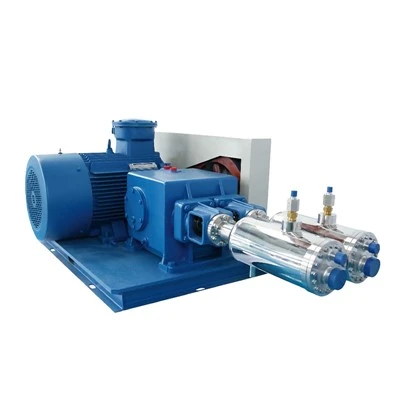
If you’re nodding along to any of these, or even if you’re not sure what your setup needs, don’t overcomplicate it. Hit us up to talk through your project—we’ll walk you through options, no sales pitch, just straight facts.
Centrifugal Pump References:
- Karassik, I. J., Messina, J. P., Cooper, P., & Heald, C. C. (Eds.). (2001). Pump Handbook (4th ed.). McGraw-Hill Education.
- Hydraulic Institute. (2020). Pump Selection Guidelines for Industrial Applications. Hydraulic Institute.
- Amer, M. A. (2018). Vertical Centrifugal Pumps: Design, Applications, and Maintenance. Journal of Fluid Machinery, 21(3), 45-52.
- Water Environment Federation. (2019). Wastewater Pumping Systems: Best Practices for Operation and Maintenance. Water Environment Federation.
Hangzhou Turbo Energy Technology Co., Ltd.
As one of the most professional centrifugal pump manufacturers and suppliers in China, we’re featured by quality products and good price. Please rest assured to buy advanced centrifugal pump made in China here from our factory. We also accept customized orders.
Address: C712, Block C, Westlake International Science and Technology Building, Huaxing Branch Road, Xihu District, Hangzhou, Zhejiang, China.
E-mail: sales@turboenergytech.com
WebSite: https://www.hangzhouturboenergy.com/
