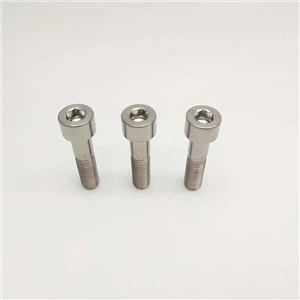
In the realm of metal electroplating, the titanium anode plays a pivotal and multi – faceted role. As a supplier of titanium anodes, I’ve witnessed firsthand how these anodes have transformed the electroplating industry, offering solutions that are both efficient and reliable. Titanium Anode
Understanding the Basics of Electroplating
Electroplating is a process that involves the deposition of a thin layer of metal onto a substrate. This is achieved through an electrochemical reaction in an electrolytic cell. The cell consists of an anode, a cathode (the object to be plated), and an electrolyte solution. When an electric current is passed through the cell, metal ions from the electrolyte are reduced at the cathode, forming a metallic coating.
The Unique Properties of Titanium Anodes
Titanium is a remarkable material, and its properties make it an ideal choice for anodes in electroplating. First and foremost, titanium has excellent corrosion resistance. In the harsh chemical environments of electroplating baths, many metals would quickly corrode and degrade. However, titanium forms a passive oxide layer on its surface when exposed to oxygen or certain oxidizing agents. This oxide layer acts as a protective barrier, preventing further corrosion and ensuring the longevity of the anode.
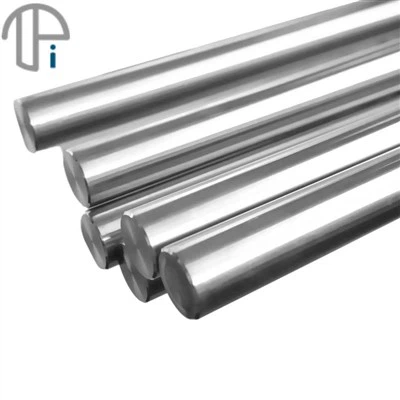
Secondly, titanium has a high strength – to – weight ratio. This means that titanium anodes can be relatively lightweight while still being strong enough to withstand the mechanical stresses within the electroplating cell. They can be easily shaped and fabricated into various forms to suit different electroplating applications, such as flat sheets, rods, or mesh.
The Role of Titanium Anodes in Electroplating
1. Electron Transfer
One of the primary functions of the anode in electroplating is to provide electrons for the electrochemical reaction. In the case of titanium anodes, they serve as a stable source of electrons. When the electric current is applied, titanium anodes release electrons into the electrolyte solution. These electrons are then available to participate in the reduction of metal ions at the cathode. This electron transfer is crucial for the deposition of the metal coating on the substrate.
2. Maintaining the Composition of the Electrolyte
Titanium anodes help maintain the chemical composition of the electrolyte solution. In some electroplating processes, other types of anodes may dissolve into the electrolyte, altering its composition and potentially affecting the quality of the plating. Since titanium is highly resistant to corrosion, it does not dissolve into the electrolyte. This ensures that the electrolyte remains stable and consistent throughout the electroplating process, resulting in more uniform and high – quality metal coatings.
3. Controlling the Plating Rate
The design and properties of titanium anodes can be adjusted to control the rate of electroplating. By altering the surface area of the anode, the current density can be regulated. A larger surface area of the anode will result in a lower current density, which can slow down the plating rate. Conversely, a smaller surface area will increase the current density and speed up the plating process. This flexibility allows electroplaters to optimize the plating rate according to the specific requirements of the job, such as the desired thickness of the coating and the type of metal being plated.
4. Enhancing Plating Quality
Titanium anodes contribute to the overall quality of the electroplated coating. The stable electron transfer and consistent electrolyte composition provided by titanium anodes result in a more uniform and adherent metal coating. The coating is less likely to have defects such as pits, cracks, or uneven thickness. This is particularly important in applications where the appearance and performance of the plated object are critical, such as in the automotive, aerospace, and jewelry industries.
Applications of Titanium Anodes in Different Electroplating Processes
1. Chrome Plating
Chrome plating is widely used in the automotive and decorative industries to provide a hard, shiny, and corrosion – resistant coating. Titanium anodes are commonly used in chrome plating baths. They can withstand the highly acidic and oxidative environment of the chrome plating electrolyte. The use of titanium anodes helps maintain the stability of the electrolyte and ensures a high – quality chrome coating with excellent adhesion and appearance.
2. Nickel Plating
Nickel plating is used for a variety of applications, including corrosion protection, wear resistance, and decorative purposes. Titanium anodes are well – suited for nickel plating processes. They prevent the contamination of the electrolyte by anode dissolution, which can lead to impurities in the nickel coating. This results in a more pure and high – quality nickel plating.
3. Gold and Silver Plating
In the jewelry and electronics industries, gold and silver plating are important processes. Titanium anodes are used to ensure the precision and quality of these precious metal coatings. They provide a stable source of electrons and help maintain the integrity of the plating solution, resulting in a uniform and lustrous gold or silver coating.
Advantages of Choosing Our Titanium Anodes
As a supplier of titanium anodes, we offer several advantages to our customers. Our anodes are manufactured using high – quality titanium materials, ensuring excellent corrosion resistance and long service life. We have a team of experienced engineers who can customize the design of the anodes according to the specific requirements of our customers’ electroplating processes.
We also provide comprehensive technical support. Our experts can assist customers in selecting the right anode type, size, and configuration for their applications. We understand that every electroplating process is unique, and we are committed to providing tailored solutions to meet the diverse needs of our customers.
In addition, we offer competitive pricing. We believe that high – quality titanium anodes should be accessible to a wide range of customers. By optimizing our production processes and supply chain, we are able to offer cost – effective solutions without compromising on quality.
Conclusion
In conclusion, the titanium anode plays a crucial and indispensable role in metal electroplating. Its unique properties, such as corrosion resistance, high strength – to – weight ratio, and stable electron transfer, make it an ideal choice for a variety of electroplating applications. As a supplier of titanium anodes, we are dedicated to providing high – quality products and excellent service to our customers.
Titanium Wire If you are involved in the electroplating industry and are looking for reliable titanium anodes, we invite you to contact us for a detailed discussion. Our team is ready to assist you in finding the best anode solutions for your specific needs.
References
- Cotton, F. A., & Wilkinson, G. (1988). Advanced Inorganic Chemistry. John Wiley & Sons.
- Schlesinger, M., & Paunovic, M. (2010). Modern Electroplating. John Wiley & Sons.
- Lowenheim, F. A. (1978). Modern Electroplating. John Wiley & Sons.
Baoji Top Titanium Industry Co., Ltd.
As one of the most professional titanium anode manufacturers and suppliers in China, we’re featured by quality products and good price. Please rest assured to buy bulk titanium anode in stock here and get quotation from our factory. Customized orders are welcome.
Address: No. 2, South Section Of Phoenix 2nd Road,High-Tech Zone, Baoji,Shaanxi, China (Mainland)
E-mail: sales@bjtopti.com
WebSite: https://www.china-topti.com/
