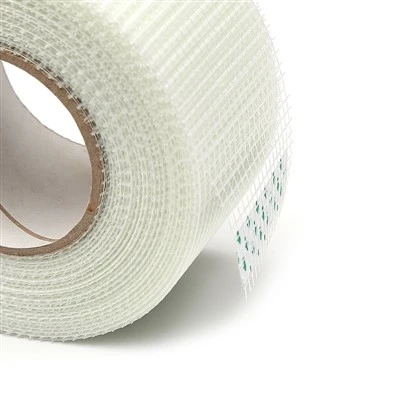
Fiberglass yarn has emerged as a versatile and essential material in a wide range of industries, from aerospace and automotive to construction and electronics. As a dedicated supplier of fiberglass yarn, I often encounter potential customers asking whether this material is easy to handle. In this blog post, I’ll draw on my years of experience in the industry to shed light on this crucial question. Fiberglass Yarn
Understanding Fiberglass Yarn
Before delving into its handling ease, it’s essential to understand what fiberglass yarn is. Fiberglass yarn is made by drawing molten glass through tiny nozzles, creating continuous filaments. These filaments are then twisted or plied together to form yarns of various thicknesses and characteristics. The resulting material is known for its high strength, heat resistance, electrical insulation properties, and chemical stability.
Advantages That Facilitate Handling
One of the primary reasons fiberglass yarn is considered relatively easy to handle is its flexibility. Unlike some other rigid materials, fiberglass yarn can be bent, curved, and shaped without breaking, allowing it to conform to a wide variety of applications. This flexibility makes it suitable for use in intricate designs and complex geometries. For example, in the production of composite materials, fiberglass yarn can be woven or braided into specific patterns to enhance the strength and durability of the final product.
Another advantage of fiberglass yarn is its lightweight nature. The low density of fiberglass makes it easy to transport and manipulate, reducing the physical effort required during handling. This is particularly beneficial in large – scale manufacturing processes where workers need to move and position materials quickly and efficiently. For instance, in the construction of boats or aircraft, the use of lightweight fiberglass yarn helps to reduce the overall weight of the structure without sacrificing strength.
Fiberglass yarn is also highly resistant to many common environmental factors, such as moisture, chemicals, and ultraviolet radiation. This resistance means that it can be stored and used in various conditions without significant degradation. Unlike some natural fibers that may rot or degrade when exposed to moisture, fiberglass yarn maintains its integrity, making it more reliable and easier to handle over time. Moreover, its chemical resistance allows it to be used in industrial settings where contact with harsh chemicals is inevitable.
Challenges in Handling Fiberglass Yarn
While fiberglass yarn offers many advantages in terms of handling, it is not without its challenges. One of the main concerns is the potential for skin irritation. The fine glass fibers can break off and become airborne or come into contact with the skin, causing itching, redness, and in some cases, more severe allergic reactions. To mitigate this risk, proper personal protective equipment (PPE) such as gloves, long – sleeved shirts, and respirators should be worn when handling fiberglass yarn.
Another challenge is the static electricity that can build up on fiberglass yarn during handling. Static electricity can cause the yarn to cling together or to other surfaces, making it difficult to separate and work with. This can slow down production processes and increase the risk of errors. Using anti – static agents or humidifying the working environment can help reduce static electricity and improve handling efficiency.
In addition, the yarn’s strength and stiffness can sometimes make it difficult to cut or trim. Specialized cutting tools, such as sharp blades or hot knives, may be required to ensure clean and precise cuts. Inaccurate cutting can lead to waste and affect the quality of the final product.
Best Practices for Handling Fiberglass Yarn
To make the most of fiberglass yarn’s ease of handling and overcome its challenges, it is crucial to follow best practices. First and foremost, proper training should be provided to all workers involved in handling fiberglass yarn. This training should cover topics such as the correct use of PPE, safe handling techniques, and how to deal with potential hazards.
When storing fiberglass yarn, it should be kept in a dry, clean environment to prevent contamination and damage. The yarn should be stored on spools or in containers that are designed to protect it from physical damage. Additionally, it is important to label the storage containers clearly with information such as the type of fiberglass yarn, its specifications, and the date of receipt.
During the manufacturing process, it is essential to use the right equipment for handling fiberglass yarn. This includes equipment for unwinding, winding, and cutting the yarn. The equipment should be well – maintained to ensure smooth operation and prevent damage to the yarn. For example, the guides and tensioners used in the weaving process should be adjusted properly to ensure even tension on the yarn.
Applications and Handling Requirements
The handling ease of fiberglass yarn can also vary depending on its application. In the textile industry, fiberglass yarn is often used to make fabrics for insulation, filtration, and reinforcement. In this context, the yarn needs to be woven or knitted using specialized machinery. The handling requirements for these processes include precise control of tension and alignment to produce high – quality fabrics.
In the composites industry, fiberglass yarn is used as a reinforcement material in plastics, resins, and metals. The handling of fiberglass yarn in composite manufacturing involves tasks such as impregnation with resin and lay – up. These processes require careful handling to ensure proper wet – out and distribution of the resin, as well as the removal of air bubbles.
Conclusion
In conclusion, fiberglass yarn offers a good balance of ease and complexity when it comes to handling. Its flexibility, lightweight nature, and environmental resistance make it relatively easy to work with in many applications. However, the challenges associated with skin irritation, static electricity, and cutting require proper precautions and best practices to be followed.
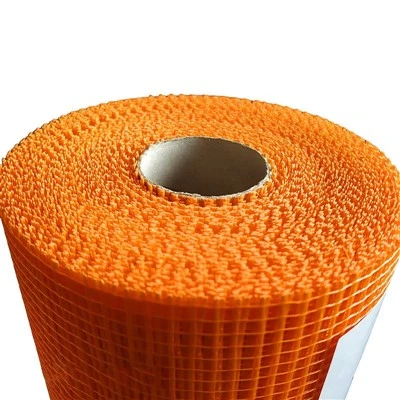
Interior Wall Fiberglass Mesh As a supplier of fiberglass yarn, I am committed to providing high – quality products and supporting my customers with the knowledge and resources they need to handle fiberglass yarn safely and efficiently. If you’re considering using fiberglass yarn for your project and have questions about handling, or if you’re interested in purchasing our products, I encourage you to reach out and start a conversation with our team. We can provide you with more detailed information and guidance on how to make the most of this remarkable material.
References
- "Fiberglass: Properties and Applications" by John Wiley & Sons
- "Textile Fibers: Structure, Properties and Performance" by Woodhead Publishing
- Technical data sheets from leading fiberglass yarn manufacturers
Danyang Yonggu Building Materials Co., Ltd.
Danyang Yonggu Building Materials Co., Ltd. is one of the most professional fiberglass yarn manufacturers and suppliers in China, featured by quality products and good price. Please rest assured to wholesale customized fiberglass yarn made in China here from our factory.
Address: Danyang City, Jiangsu Province, P.R. China
E-mail: sales02@cnyongu.com
WebSite: https://www.ygfiberglass.com/
