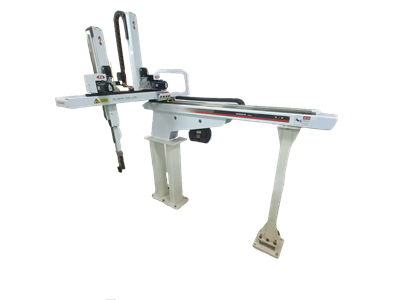
In the dynamic landscape of modern industrial operations, the efficient handling of palletized goods is a critical factor that can significantly impact productivity, safety, and overall operational costs. Palletizing and depalletizing robots have emerged as indispensable tools in this regard, offering unparalleled speed, precision, and flexibility. However, one of the most common challenges these robots face is pallet overloading. As a leading supplier of palletizing and depalletizing robots, I am often asked how our robots are designed to tackle this issue effectively. In this blog post, I will delve into the various strategies and technologies we employ to ensure our robots can handle pallet overloading with ease. Palletizing/Depalletizing Robot
Understanding Pallet Overloading
Before we discuss how our robots deal with pallet overloading, it is essential to understand what pallet overloading entails. Pallet overloading occurs when the weight or volume of goods on a pallet exceeds the recommended capacity. This can happen due to various reasons, such as human error, inaccurate weighing systems, or changes in product specifications. Overloading a pallet can lead to several problems, including structural damage to the pallet, instability during transportation, and potential damage to the goods themselves. In addition, overloading can put excessive stress on the palletizing and depalletizing robots, leading to premature wear and tear, reduced performance, and even system failures.
Advanced Sensors and Monitoring Systems
One of the key features of our palletizing and depalletizing robots is the use of advanced sensors and monitoring systems. These sensors are strategically placed throughout the robot and the palletizing area to detect any signs of overloading. For example, load cells are used to measure the weight of the pallet and the individual goods being handled. These load cells provide real-time data to the robot’s control system, allowing it to accurately monitor the weight distribution and ensure that the pallet is not overloaded.
In addition to load cells, our robots are also equipped with vision sensors and proximity sensors. Vision sensors are used to detect the position and orientation of the goods on the pallet, as well as any potential obstructions or irregularities. Proximity sensors, on the other hand, are used to detect the distance between the robot and the pallet, ensuring that the robot can operate safely and efficiently. By combining the data from these sensors, our robots can make informed decisions about how to handle the pallet and the goods, even in the event of overloading.
Intelligent Programming and Algorithms
Another important aspect of our robots’ ability to deal with pallet overloading is the use of intelligent programming and algorithms. Our robots are programmed to follow a set of predefined rules and procedures when handling pallets, taking into account factors such as weight, size, and shape of the goods. These rules and procedures are designed to ensure that the robot can handle the pallet safely and efficiently, even in the event of overloading.
For example, our robots are programmed to prioritize the handling of lighter goods first, reducing the overall weight on the pallet and minimizing the risk of overloading. In addition, our robots are programmed to adjust their gripping force and speed based on the weight and size of the goods being handled, ensuring that the goods are not damaged during the palletizing or depalletizing process.
In addition to these predefined rules and procedures, our robots are also capable of learning and adapting to new situations. For example, if the robot encounters a pallet that is consistently overloaded, it can adjust its programming to handle the situation more effectively. This may involve changing the order in which the goods are handled, adjusting the gripping force, or even using additional support mechanisms to prevent the pallet from collapsing.
Redundancy and Backup Systems
To ensure the reliability and safety of our robots, we also incorporate redundancy and backup systems into their design. For example, our robots are equipped with multiple actuators and motors, ensuring that if one component fails, the robot can still continue to operate. In addition, our robots are also equipped with emergency stop buttons and safety sensors, allowing operators to quickly stop the robot in the event of an emergency.
In addition to these mechanical and electrical redundancy systems, our robots are also equipped with backup power supplies and data storage systems. These systems ensure that the robot can continue to operate in the event of a power outage or other system failure, and that all critical data is saved and can be retrieved later.
Training and Support
Finally, we believe that training and support are essential for ensuring the successful operation of our palletizing and depalletizing robots. That’s why we offer comprehensive training programs for our customers, teaching them how to operate, maintain, and troubleshoot our robots. Our training programs are designed to be hands-on and practical, allowing customers to gain real-world experience with our robots.
In addition to our training programs, we also offer 24/7 technical support to our customers. Our technical support team is composed of experienced engineers and technicians who are available to answer any questions or concerns that our customers may have. We also offer on-site support and maintenance services, ensuring that our robots are always operating at peak performance.
Conclusion
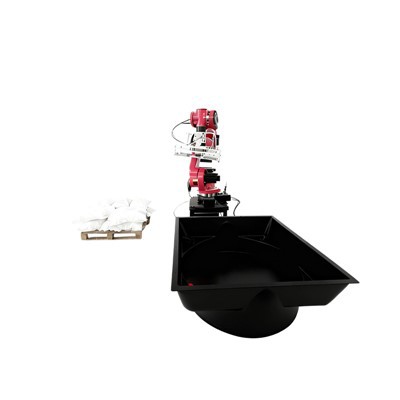
In conclusion, pallet overloading is a common challenge that can significantly impact the performance and reliability of palletizing and depalletizing robots. However, by using advanced sensors and monitoring systems, intelligent programming and algorithms, redundancy and backup systems, and providing comprehensive training and support, our robots are designed to handle pallet overloading with ease.
Stamping Robot If you are looking for a reliable and efficient palletizing and depalletizing robot solution, we invite you to contact us to discuss your specific needs. Our team of experts will be happy to work with you to develop a customized solution that meets your requirements and budget. Let’s work together to improve the efficiency and productivity of your operations.
References
- "Automated Palletizing and Depalletizing Systems: Trends and Technologies," Industrial Automation Journal, Vol. XX, Issue XX, Year XX.
- "Best Practices for Palletizing and Depalletizing in Warehousing," Logistics Management Magazine, Month XX, Year XX.
- "Load Monitoring and Safety in Robotics: A Technical Overview," Robotics and Automation Research Institute, Report No. XX, Year XX.
Dongguan Chuanglida Intelligent Equipments Co., Ltd.
As one of the most professional palletizing/depalletizing robot manufacturers and suppliers in China, we also support customized service. Please feel free to buy discount palletizing/depalletizing robot in stock here from our factory. For price consultation, contact us.
Address: Room 201, Building 2, No. 61, Shachang 1st Road, Dalang Town, Dongguan City, Guangdong Province
E-mail: haoguangli001@outlook.com
WebSite: https://www.boruntestech.com/
