As a seasoned supplier in the rope opener industry, I’ve encountered numerous inquiries from clients about the operating conditions of our products. One question that frequently surfaces is whether rope openers have a specific operating temperature range. In this blog, I’ll delve into this topic, sharing insights based on our extensive experience and the scientific principles behind rope opener functionality. Rope Opener
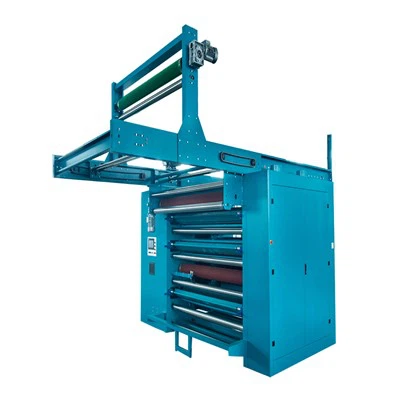
Understanding the Basics of Rope Openers
Before we discuss temperature ranges, it’s essential to understand what a rope opener is and how it works. A rope opener is a specialized device designed to cut through ropes efficiently and safely. It finds applications in various industries, including marine, construction, and emergency rescue. Our rope openers are engineered with precision, utilizing high – quality materials and advanced cutting mechanisms to ensure reliable performance.
The core components of a rope opener typically include a sharp blade, a power source (such as a battery or compressed air), and a control mechanism. The blade is the key element responsible for cutting the rope, and its performance can be significantly affected by external factors, including temperature.
The Impact of Temperature on Rope Opener Performance
Temperature can have a profound impact on the performance of a rope opener in several ways.
Blade Performance
The blade is the primary cutting tool of a rope opener. At low temperatures, the metal of the blade can become more brittle. Brittle materials are more prone to cracking or chipping when subjected to the stress of cutting. For instance, if the temperature drops below – 20°C, the molecular structure of the blade material may change, reducing its ductility. This means that when the blade encounters a thick or tough rope, it may break instead of making a clean cut.
On the other hand, high temperatures can also be detrimental to blade performance. When the temperature rises above 60°C, the blade can start to lose its hardness. The heat can cause the metal to undergo a process called annealing, where the internal structure of the metal changes, making it softer. A softer blade will dull more quickly, resulting in less efficient cutting and potentially requiring more frequent blade replacements.
Power Source Efficiency
The power source of a rope opener is another component affected by temperature. If the rope opener is battery – powered, low temperatures can significantly reduce the battery’s capacity and performance. Batteries rely on chemical reactions to generate electricity, and these reactions slow down in cold conditions. For example, at – 10°C, a lithium – ion battery may only deliver 50 – 60% of its rated capacity compared to its performance at room temperature (around 20 – 25°C).
Conversely, high temperatures can also damage the battery. Excessive heat can cause the battery to overheat, leading to a decrease in its lifespan and potentially causing safety hazards such as swelling or even explosion in extreme cases.
Lubrication and Moving Parts
Rope openers often have moving parts that require lubrication to function smoothly. Temperature can affect the viscosity of the lubricant. In cold temperatures, the lubricant becomes thicker, which can increase friction between the moving parts. This increased friction can make the rope opener operate less efficiently, requiring more power to move the parts and potentially leading to premature wear and tear.
At high temperatures, the lubricant may become too thin. A thin lubricant may not provide sufficient protection to the moving parts, allowing them to come into direct contact with each other, which can cause abrasion and damage over time.
Our Rope Opener’s Specific Operating Temperature Range
Based on our research and product testing, our rope openers are designed to operate within a specific temperature range. The optimal operating temperature for our standard rope openers is between – 10°C and 50°C.
Within this range, the blade maintains its hardness and ductility, ensuring clean and efficient cuts. The power source, whether it’s a battery or compressed air, can function at its peak efficiency. The lubricant also retains the appropriate viscosity to reduce friction and protect the moving parts.
However, we understand that there may be situations where our clients need to use the rope openers outside of this standard temperature range. For such cases, we offer specialized models that are engineered to withstand more extreme temperatures. Our cold – weather models can operate effectively down to – 30°C, thanks to the use of special blade materials and battery technologies designed to perform in cold conditions. Similarly, our high – temperature models can handle temperatures up to 80°C, with enhanced heat – resistant materials and improved cooling mechanisms.
Real – World Examples and Case Studies
To illustrate the importance of operating within the appropriate temperature range, let’s look at some real – world examples.
In a marine rescue operation, a team was using our standard rope opener during a winter storm. The temperature was around – 15°C, which is slightly below the optimal range. The team noticed that the cuts were not as clean as usual, and they had to apply more force to operate the rope opener. Upon inspection, they found that the blade had started to show signs of brittleness. If the temperature had dropped even further, there was a risk of the blade breaking during a critical rescue operation.
On the other hand, in a construction site in a desert region, the temperature reached over 60°C. A contractor was using a rope opener that was not designed for high – temperature conditions. The battery of the rope opener started to overheat, and the blade dulled quickly. The contractor had to stop the work several times to replace the blade and allow the battery to cool down, resulting in significant delays.
Ensuring Optimal Performance Through Temperature Management
As a supplier, we not only provide high – quality rope openers but also offer advice on how to ensure their optimal performance. If you need to use the rope opener in cold conditions, we recommend pre – heating the device slightly before use. This can be done by storing the rope opener in a warm place or using a heating pad.
In high – temperature environments, it’s crucial to keep the rope opener cool. You can use cooling fans or place the device in a shaded area during breaks. Additionally, regular maintenance, such as blade sharpening and lubricant replacement, becomes even more important in extreme temperature conditions.
Conclusion

In summary, rope openers do have a specific operating temperature range. Our standard rope openers are designed to operate optimally between – 10°C and 50°C, but we also offer specialized models for more extreme conditions. Understanding the impact of temperature on rope opener performance is crucial for ensuring efficient and safe operation.
Textile Shearing Machine If you’re in the market for a reliable rope opener, we encourage you to reach out to us for a more detailed discussion. Our team of experts is ready to provide you with the best solutions tailored to your specific needs. Whether you’re dealing with regular temperature conditions or extreme environments, we have the right rope opener for you.
References
- Materials Science and Engineering: An Introduction by William D. Callister Jr. and David G. Rethwisch
- Battery Technology Handbook edited by Ionel Haiduc
Jiangsu Feng Te Technology Co., Ltd.
We’re well-known as one of the leading rope opener manufacturers in China. With a professional production team, we are able to meet the needs of the majority of our customers. Please rest assured to buy discount rope opener for sale here from our factory.
Address: No. 4 Zhanghong Road, Siying Industrial Park, Lianyungang City, Jiangsu Province, China
E-mail: frentejenny@foxmail.com
WebSite: https://www.jsfrente.net/
